

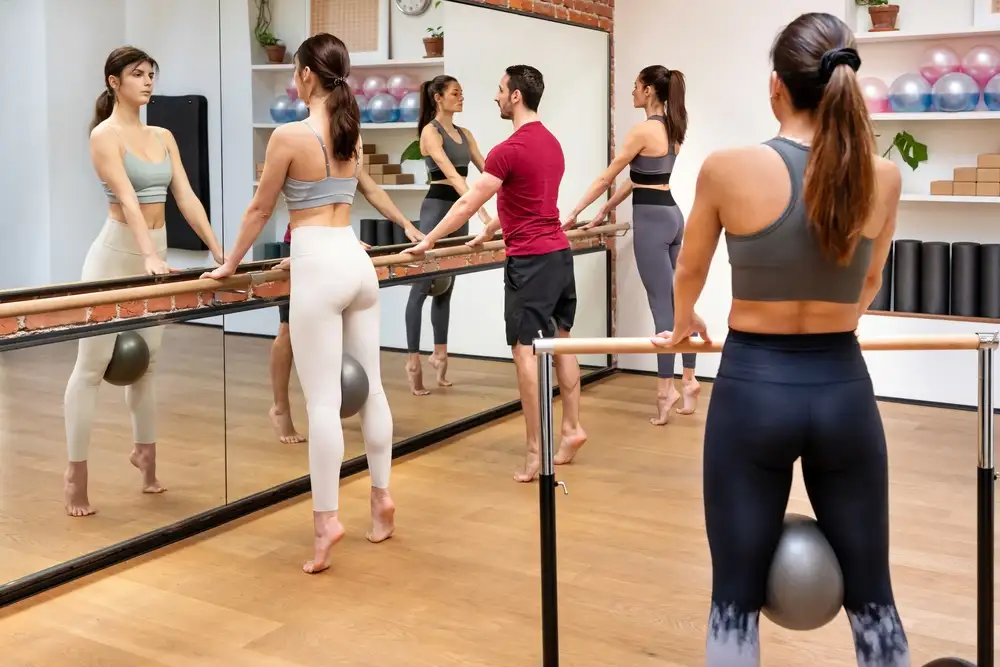
Barre exercise is a low-impact fitness workout that combines elements of ballet, Pilates, yoga, and strength training. Designed to improve muscle endurance, flexibility, balance, and posture, barre workouts have become increasingly popular among people looking for an effective full-body exercise routine without high-impact movements.
Despite its ballet-inspired appearance, barre exercise is not just for dancers. People of all fitness levels can participate and benefit from this workout style. Barre classes focus on small, controlled movements, bodyweight exercises, and high repetitions that target specific muscle groups.
If you have ever wondered what barre exercise is, how it works, and whether it is worth adding to your fitness routine, this guide covers everything you need to know.
What Is Barre Exercise?
Barre exercise is a fitness method that uses a ballet barre for support while performing a series of strength, flexibility, and balance exercises.
The workout combines movements inspired by ballet training with techniques borrowed from Pilates and yoga. Most exercises focus on precise, controlled motions rather than explosive movements.
Barre classes often involve bodyweight exercises, light hand weights, resistance bands, and exercise balls to increase intensity.
The goal is to challenge muscles through small repetitive movements that create muscle fatigue and improve endurance.
Unlike traditional strength training, barre emphasizes muscle control, posture, and alignment while providing a full-body workout.
The History of Barre Exercise
Barre exercise originated in the 1950s when German dancer Lotte Berk developed a fitness method that combined ballet exercises with rehabilitation techniques.
After suffering a back injury, Berk created a workout that strengthened muscles while remaining gentle on the joints.
Over time, her method evolved and gained popularity worldwide. Today, modern barre classes incorporate elements from multiple fitness disciplines while maintaining the original focus on controlled movement and muscle endurance.
Barre studios can now be found in gyms, fitness centers, and online workout platforms across the globe.
How Does Barre Exercise Work?
Barre workouts target multiple muscle groups through small, repetitive movements.
Rather than lifting heavy weights, participants perform exercises that keep muscles under tension for extended periods.
These movements often involve:
- Pulses
- Isometric holds
- Small range motions
- Controlled repetitions
- Balance exercises
The workout typically focuses on the legs, glutes, core, arms, and back.
Although the movements may appear simple, they can quickly create muscle fatigue because they engage stabilizing muscles that are often overlooked in traditional workouts.
This approach helps build strength, endurance, and muscle definition over time.
What Happens During a Barre Class?
Most barre classes last between 45 and 60 minutes.
A typical session begins with a warm-up designed to increase blood flow and prepare the body for exercise.
The workout then moves through several sections targeting different muscle groups.
Participants may perform:
- Squats
- Leg lifts
- Lunges
- Planks
- Arm exercises
- Core strengthening movements
Throughout the class, instructors emphasize proper posture and alignment.
Classes usually end with stretching exercises that help improve flexibility and reduce muscle tightness.
Because barre workouts are low impact, they are generally suitable for many fitness levels.
Benefits of Barre Exercise
Barre workouts offer numerous physical and mental health benefits.
One reason for their popularity is their ability to improve fitness without placing excessive stress on the joints.
Consistent participation can support several aspects of health and performance.
Improves Muscle Strength
Barre targets major muscle groups through repetitive movements and sustained contractions.
Although light weights are often used, the high repetition format can significantly challenge muscles.
Over time, this helps increase muscular strength and endurance.
Many participants notice improved tone in the legs, glutes, arms, and core.
Enhances Flexibility
Stretching is an important component of barre exercise.
Many movements are designed to lengthen muscles while improving mobility and range of motion.
Regular barre sessions may help reduce stiffness and improve overall flexibility.
Improved flexibility can also support better posture and reduce the risk of injury.
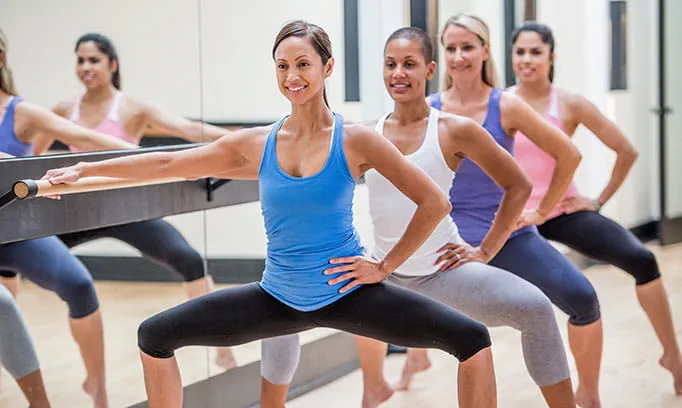
Strengthens Core Muscles
Core engagement is a major focus throughout most barre workouts.
Exercises often require participants to maintain balance and stability while activating abdominal muscles.
A stronger core supports better posture, balance, and functional movement in everyday life.
Core strength can also help reduce lower back discomfort.
Supports Better Posture
Many people spend long hours sitting at desks or looking at screens.
Barre exercises emphasize proper alignment and body awareness.
Regular practice may help strengthen the muscles responsible for maintaining good posture.
Improved posture can reduce strain on the neck, shoulders, and back.
Low Impact on Joints
Unlike running or jumping exercises, barre workouts place minimal stress on the joints.
This makes barre an attractive option for people recovering from injuries, older adults, or individuals seeking a gentler workout.
The low-impact nature of barre allows many participants to exercise consistently without excessive joint discomfort.
Improves Balance and Coordination
Many barre exercises challenge stability and body control.
Participants often perform movements while balancing on one leg or maintaining specific body positions.
These exercises help improve coordination and balance over time.
Better balance can support athletic performance and reduce the risk of falls.
Can Barre Help With Weight Loss?
Barre exercise can contribute to weight loss when combined with healthy nutrition and an overall active lifestyle.
The workout burns calories while strengthening muscles and improving endurance.
The exact number of calories burned depends on factors such as:
- Body weight
- Workout intensity
- Class duration
- Fitness level
Most people burn between 200 and 500 calories during a typical barre session.
While barre may not burn as many calories as high-intensity interval training, it can still support weight management through consistent participation.
Does Barre Build Muscle?
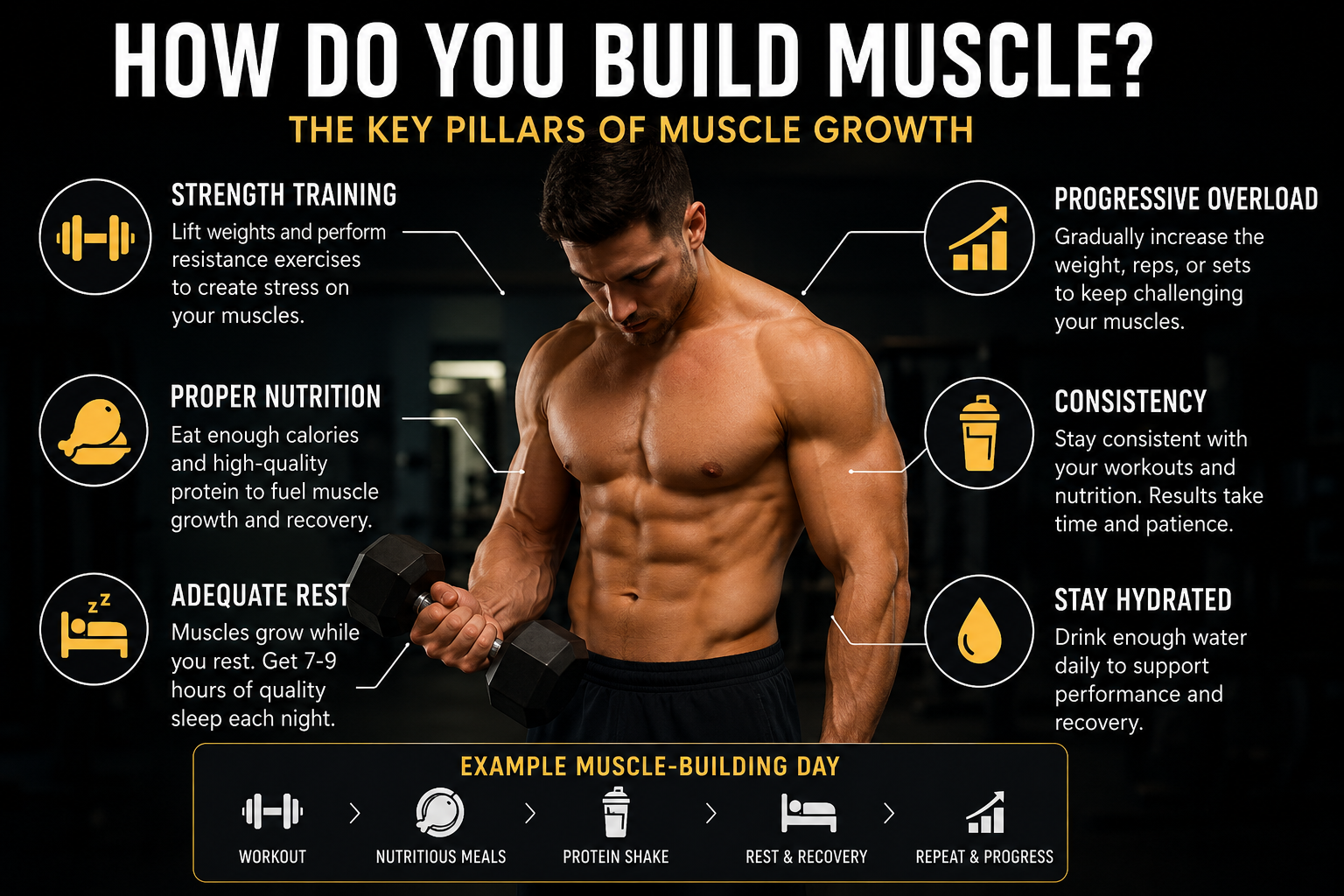
Barre helps improve muscle tone and endurance rather than building large muscle mass.
The workout focuses on high repetitions and low resistance, which encourages lean muscle development.
Participants often notice improved muscle definition in areas such as:
- Thighs
- Glutes
- Arms
- Core
Because barre targets stabilizing muscles, it may also improve overall functional strength.
Barre vs Pilates
Barre and Pilates share several similarities, but they are not identical.
Barre incorporates ballet-inspired movements and often uses a ballet barre for support.
Pilates focuses more heavily on core strength, controlled breathing, and body alignment.
Both workouts improve flexibility, posture, and muscle endurance.
Choosing between them often depends on personal preference and fitness goals.
Many people enjoy combining both forms of exercise.
Barre vs Yoga
Yoga primarily focuses on flexibility, breathing, mindfulness, and balance.
Barre places greater emphasis on muscular endurance and strength through repetitive movements.
While both workouts are low impact, barre tends to involve more structured strength-focused exercises.
Yoga often includes meditation and relaxation components that may not be present in traditional barre classes.
Who Should Try Barre Exercise?
Barre is suitable for many individuals, including:
- Beginners
- Intermediate exercisers
- Older adults
- Individuals seeking low-impact workouts
- Former dancers
- People looking to improve flexibility
Because movements can be modified, barre classes are often accessible to different fitness levels.
However, anyone with medical concerns should consult a healthcare professional before beginning a new exercise program.
How Often Should You Do Barre?
For most people, attending barre classes two to five times per week provides noticeable benefits.
Beginners may start with two or three sessions weekly.
As fitness improves, additional sessions can be added.
Combining barre with cardio and strength training may create a balanced fitness routine.
Consistency is more important than intensity when it comes to long-term results.
Common Mistakes in Barre Workouts
Many beginners make similar mistakes during barre classes.
Poor posture can reduce effectiveness and increase discomfort.
Rushing through movements may prevent proper muscle engagement.
Holding tension in the shoulders can create unnecessary strain.
Skipping stretching may limit flexibility improvements.
Focusing on proper technique and controlled movement helps maximize results.
Frequently Asked Questions
What is barre exercise good for?
Barre exercise helps improve muscle endurance, flexibility, posture, balance, and overall fitness through low-impact movements.
Can beginners do barre workouts?
Yes. Barre is beginner-friendly and can be modified to suit different fitness levels.
Does barre help lose belly fat?
Barre can support overall fat loss when combined with a healthy diet and regular physical activity, but it cannot specifically target belly fat.
Is barre better than yoga?
Neither is necessarily better. Barre focuses more on muscular endurance and strength, while yoga emphasizes flexibility, mindfulness, and balance.
How many calories does barre burn?
Most barre workouts burn approximately 200 to 500 calories per session depending on intensity and individual factors.
Will barre tone my body?
Regular barre workouts can improve muscle definition and create a toned appearance by strengthening and conditioning muscles.
How long does it take to see results from barre?
Many people begin noticing improvements in strength, posture, and muscle tone within four to eight weeks of consistent practice.
Conclusion
Barre exercise is a highly effective low-impact workout that combines elements of ballet, Pilates, yoga, and strength training. It offers numerous benefits, including improved muscle endurance, flexibility, posture, balance, and overall fitness.
Because it is accessible to many fitness levels and places minimal stress on the joints, barre has become one of the most popular workout styles for individuals seeking a full-body exercise routine.
Whether your goal is improving strength, increasing flexibility, supporting weight management, or enhancing overall wellness, barre exercise can be a valuable addition to your fitness plan.
Page Source References
American Council on Exercise
https://www.acefitness.org
Harvard Health Publishing
https://www.health.harvard.edu
Cleveland Clinic
https://my.clevelandclinic.org
Mayo Clinic
https://www.mayoclinic.org
National Academy of Sports Medicine
https://www.nasm.org




Leave a Reply