

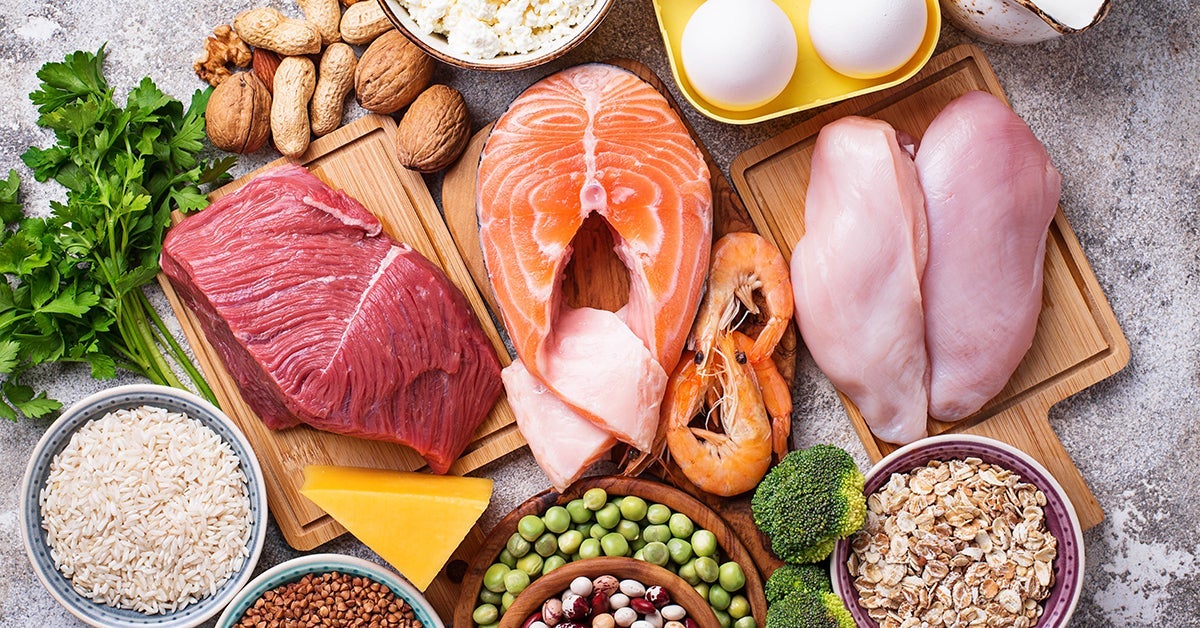
If you are wondering what foods are high in protein, there are plenty of healthy options to choose from. Protein is one of the most important nutrients because it helps build muscles, repair body tissues, support the immune system, and keep you feeling full for longer. Whether your goal is losing weight, building muscle, or simply improving your diet, eating enough protein can make a significant difference.
Protein comes from both animal and plant based foods. Lean meats, fish, eggs, dairy products, beans, lentils, nuts, seeds, and soy products are among the richest sources. The best choice depends on your dietary preferences, activity level, and overall health goals.
This guide explains the best high protein foods, their health benefits, and simple ways to include more protein in your daily meals.
Why Protein Is Important
Protein is made up of amino acids that are essential for the body’s growth and repair. Every cell in the body contains protein, making it necessary for healthy muscles, skin, bones, and organs.
Eating enough protein can help maintain muscle mass, improve recovery after exercise, support healthy metabolism, and reduce hunger throughout the day. It also plays an important role in producing enzymes, hormones, and antibodies that keep your body functioning properly.
Most adults should include protein in every meal to support overall health and maintain energy levels.
Best Animal Based High Protein Foods
Animal products are considered complete proteins because they contain all nine essential amino acids.
Chicken breast is one of the highest protein foods while remaining relatively low in fat. It is an excellent choice for muscle building and weight management.
Turkey is another lean source of protein that provides vitamins and minerals along with high quality protein.
Fish such as salmon, tuna, cod, and sardines provide protein along with healthy omega 3 fatty acids that support heart and brain health.
Eggs are among the most nutritious foods available. They provide complete protein along with vitamins, minerals, and healthy fats.
Greek yogurt contains significantly more protein than regular yogurt and also provides probiotics that support digestive health.
Cottage cheese is another excellent dairy option that is rich in protein while remaining relatively low in calories.
Lean beef provides protein, iron, zinc, and vitamin B12. Choosing lean cuts helps reduce saturated fat intake.
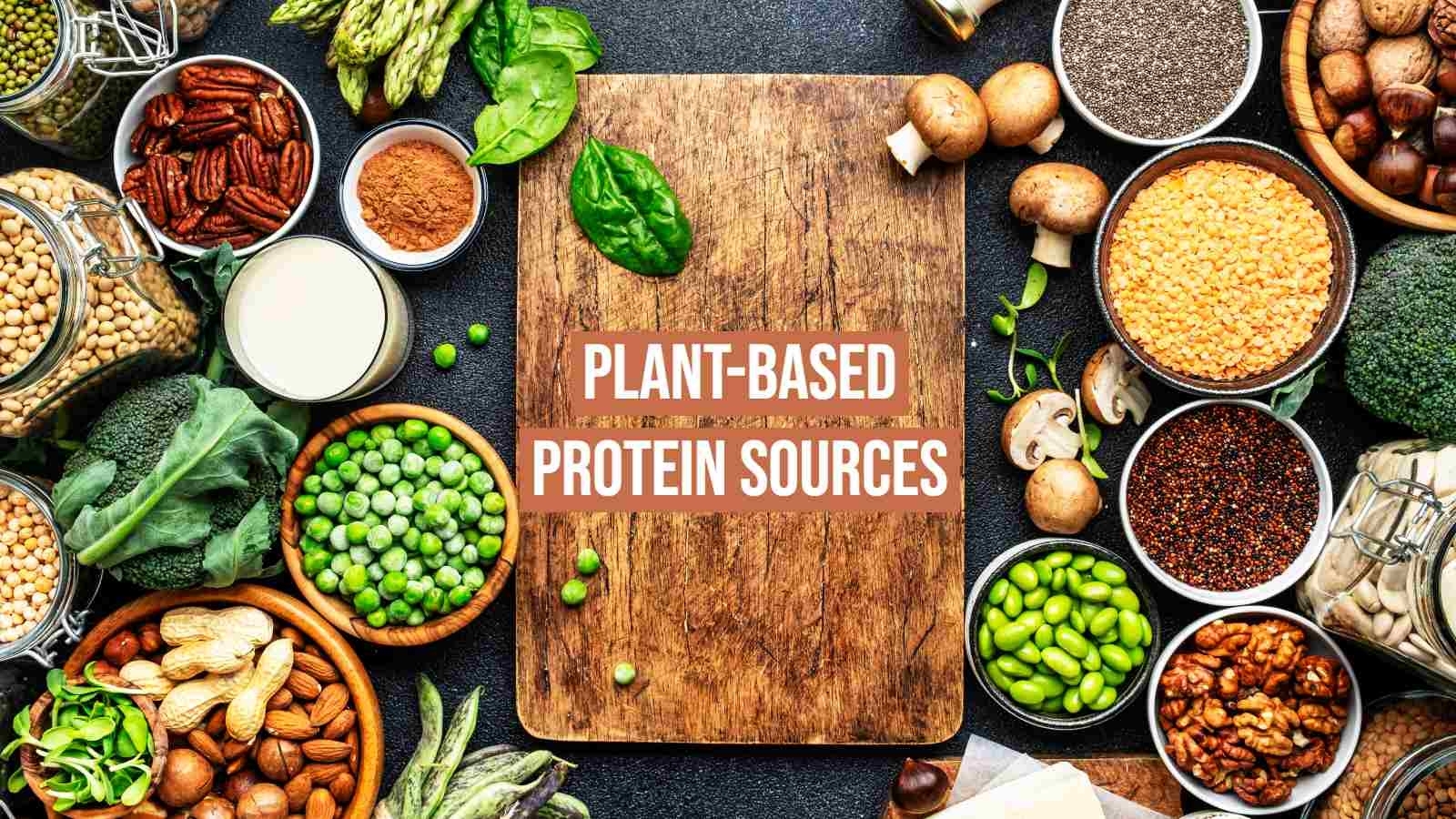
Best Plant Based High Protein Foods
Plant based proteins are excellent choices for vegetarians, vegans, and anyone looking to diversify their diet.
Lentils are rich in protein, fiber, iron, and folate. They are affordable, versatile, and easy to prepare.
Beans such as black beans, kidney beans, and chickpeas provide both protein and fiber, making them filling and nutritious.
Tofu is made from soybeans and contains complete protein. It easily absorbs flavors and works well in many recipes.
Tempeh is another soy based food that contains even more protein than tofu while providing beneficial probiotics.
Edamame are young soybeans that make a nutritious snack or side dish.
Quinoa is one of the few grains that provides complete protein. It also contains fiber, magnesium, and antioxidants.
Nuts such as almonds, peanuts, pistachios, and walnuts contribute protein along with healthy fats.
Seeds including chia seeds, pumpkin seeds, sunflower seeds, and hemp seeds are nutrient dense and easy to add to meals.
High Protein Foods for Weight Loss
Protein helps increase fullness, making it easier to control hunger and reduce overall calorie intake.
Choosing high protein foods at each meal may help reduce snacking and support healthy weight management.
Some of the best options include chicken breast, eggs, Greek yogurt, cottage cheese, fish, lentils, beans, tofu, and low fat dairy products.
Pairing protein with vegetables and whole grains creates balanced meals that provide lasting energy.
High Protein Foods for Muscle Building
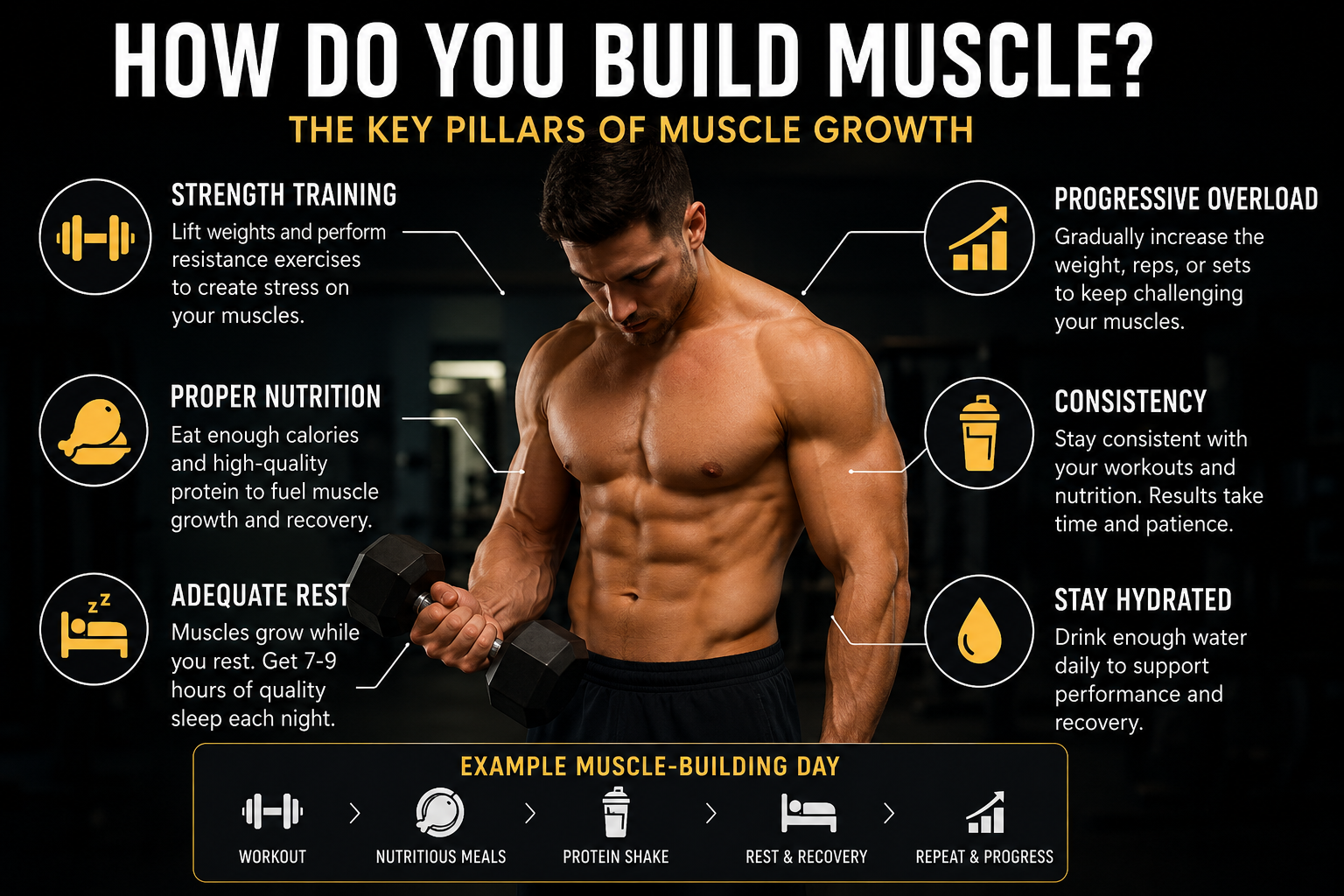
Muscle growth requires both resistance training and adequate protein intake.
Chicken, turkey, eggs, lean beef, salmon, tuna, milk, Greek yogurt, cottage cheese, tofu, tempeh, and protein rich legumes are all excellent choices.
Eating protein throughout the day rather than in one large meal may help support muscle protein synthesis.
Hydration and regular exercise also play important roles in muscle development.
Easy Ways to Add More Protein to Your Diet
Start your day with eggs or Greek yogurt instead of sugary breakfast foods.
Include lean protein in lunch and dinner whenever possible.
Choose nuts, roasted chickpeas, or cottage cheese as snacks instead of processed foods.
Add beans or lentils to soups, salads, and rice dishes.
Use tofu or tempeh in stir fries and grain bowls.
Sprinkle seeds over oatmeal, yogurt, or salads for an extra protein boost.
These simple habits can significantly increase your daily protein intake.
How Much Protein Do You Need
Protein needs vary depending on age, body weight, and activity level.
People who exercise regularly or are trying to build muscle generally require more protein than sedentary individuals.
Older adults may also benefit from higher protein intake to help maintain muscle mass.
A healthcare professional or registered dietitian can provide personalized recommendations based on your specific needs.
Common Mistakes to Avoid
Many people focus only on protein supplements while overlooking whole food sources.
Relying heavily on processed meats may increase sodium and saturated fat intake.
Skipping protein at breakfast can leave you feeling hungry later in the day.
Ignoring plant based protein options may reduce dietary variety and fiber intake.
A balanced diet that includes different protein sources provides the greatest nutritional benefits.
Frequently Asked Questions
What food has the most protein?
Chicken breast, turkey, lean beef, fish, eggs, Greek yogurt, and tofu are among the highest protein foods.
Are eggs high in protein?
Yes. Eggs provide complete protein along with important vitamins and minerals.
Which fruit is highest in protein?
Guava, avocado, jackfruit, blackberries, and kiwifruit contain more protein than most fruits, although fruits are not major protein sources.
Can I get enough protein without eating meat?
Yes. Beans, lentils, tofu, tempeh, edamame, quinoa, nuts, and seeds can provide plenty of protein when included in a balanced diet.
Is protein good for weight loss?
Yes. Protein helps control hunger, supports muscle maintenance, and may increase feelings of fullness, making weight management easier.
Page Source References
U.S. Department of Agriculture FoodData Central
https://fdc.nal.usda.gov
Harvard T.H. Chan School of Public Health. The Nutrition Source Protein
https://www.hsph.harvard.edu/nutritionsource/protein
Academy of Nutrition and Dietetics
https://www.eatright.org
Mayo Clinic. Nutrition and healthy eating
https://www.mayoclinic.org



Leave a Reply