What Vitamins and Supplements Should I Take

Determine what vitamins and supplements should you take it depends on the diet, lifestyle, and health needs. A healthy diet provides most people with the optimal nutritional level, and dietary supplements provide an extra option for those who experience specific gaps in their body nutrition.

Based on health goals or deficiencies, common vitamins like vitamin D (for bone health), Vitamin B12 (for fatigue), and other prevalent minerals such as iron and magnesium are usually recommended. But taking supplements without knowing your needs may be useless and at times even harmful.

This guide describes the best vitamins and supplements, who may need them, and how to choose safe products.

Why Vitamins and Supplements Matter

Vitamins and minerals Nutrients that play a key role in keeping the body running, from energy production to immune function and bone strength to brain health.

However, a balanced diet rich in fruits, vegetables, whole grains, protein and healthy fats often contains most of these nutrients. At the same time, deficiencies may occur due to modern lifestyles, dietary restrictions and health conditions.

When used properly, supplements can aid in the proper functioning of our bodies.

Common Vitamins Most People Need

Some vitamins to consider are often suggested as most people do not get enough through diet often.

This is vitamin D, which provides support for bone health and immune functioning. The reverse holds true for people longer deprived of sun time.

Related: 10 foods high in vitamin b12 Vitamin B12 is essential for nerve function and energy production. This is often recommended for vegetarians and the over 50s

Due to its role in immune health and in protecting cells from damage, vitamin C is well known. Available from many fruits and vegetables but may need to be supplemented if eaten in quantities too low.

With a range of nutrients, multivitamins can be beneficial for overall health.

Important Minerals to Consider

Minerals are essential for normal bodily functions.

Iron transports oxygen in the bloodstream. Particularly for women or those who are low in iron.

Calcium is important for strengthening bones and supports the health of the teeth.

Magnesium is involved in muscle functioning, nerve activity, and energy production.
Zinc helps in immune function and wound healing.

These minerals are contained in a balanced diet but may need supplementation depending on the situation.

Supplements Based on Lifestyle Needs

Depending on the lifestyle of a person, there might be different supplements needed.
Vitamin D supplements may benefit those who do not get lots of sun. Vitamin B12 and Iron for Vegetarians or Vegans

If you train a lot, you may need more of these nutrients to help fuel and recover from workouts. Calcium & vitamin D in old age – reduced bone health.

What your lifestyle is like will demand which supplements might be beneficial.

vitamins for health

Natural Sources vs Supplements

However, as buttermilk should be made the best source of nutrients is by consuming whole foods. Foods contain multiple vitamins, minerals and antioxidants that work together to promote health.

No amount of supplements can replace proper nutrition. Their role is to supplement nutrition when there is insufficient intake of nutrients through diet.

The best results will be obtained when following a balanced diet and taking the adequate supplements.

How to Determines The Right Supplement

Deciding on the proper dietary supplements will be a process of realizing what vitamins you need and getting pleasant merchandise.

An important way to measure whether or not you are getting the proper dosage is by reading labels and checking ingredient lists.

One should not overdose on any vitamins as that might cause side effects.

It is best to consult the health care professional before beginning on supplements, mainly if you have any other health conditions.

Risks of Over Supplementation

It means that megadosing and overdosing on supplements is when it becomes detrimental. Overconsumption of specific vitamins and minerals can lead to side effects or medication interactions.

Excess vitamin A can be toxic, excess iron may cause gastrointestinal complications.

But following recommended dosages can protect against these risks.

A balanced diet can be the secret of health.

Signs You May Need Supplements

There are quite a few signs that can suggest nutritional deficiencies.

Fatigue, weakness, ridgy brittle nails or hair loss and recurrent illness may be symptoms of being low in nutrients.

However these symptoms can have several different underlying causes. Deficiencies can be diagnosed properly by medical advice and testing.

Only use supplements under the guidance of your doctor (abandon self diagnosis!).

Building a Balanced Health Routine

The best supplements are always the ones which compliment a healthy lifestyle.
Good nutrition, exercise, sleep and stress managements all work together to ensure general well being.

When you take a holistic approach to health, results are far deeper and longer lasting than just supplementing.

Keeping to healthy habits is good for both physical and mental health.

Frequently Asked Questions

Do you need to take vitamins on a daily basis?

Some take them every day, and it totally depends upon the diet requirements of an individual.

What is the ultimate supplement for health

Nutrition is the key to health. If applicable, multivitamins can fill nutritional holes.

Can I combine multiple supplements?

Sure, as long you make sure they keep from going above suggested dosages or unfavorable reactivity.

Do supplements really work

If there is a deficiency, supplements can act as an effective treatment modality but are no replacement for proper nutrition.

How do I tell what vitamins I require?

Consulting a healthcare professional and testing the levels of certain nutrients will help in determining your basal needs.

Page Source References

National Institutes of Health. Vitamins and supplements information.
https://ods.od.nih.gov

Harvard Health Publishing. Dietary supplements and nutrition guidance.
https://www.health.harvard.edu

Mayo Clinic. Vitamins and supplements overview.
https://www.mayoclinic.org

What Does It Mean When Glucose Is High: Causes, Symptoms, and What to Do

If you are wondering what does it mean when glucose is high, it usually means there is too much sugar circulating in your bloodstream. This condition is known as high blood sugar or hyperglycemia. It commonly occurs when the body does not produce enough insulin or cannot use insulin effectively.

High glucose levels may happen occasionally after eating, but consistently high levels can indicate a health issue such as prediabetes or diabetes. Understanding the causes and symptoms can help you take steps to manage blood sugar and protect your health.

This guide explains what high glucose means, why it happens, and how it can be controlled through healthy lifestyle choices.

Understanding Blood Glucose Levels

Glucose is a type of sugar that the body uses as its main source of energy. It comes from the foods you eat, especially carbohydrates such as bread, rice, fruit, and sweets.

After eating, glucose enters the bloodstream. The hormone insulin helps move this glucose into the cells where it is used for energy. When insulin is not working properly, glucose remains in the bloodstream and blood sugar levels rise.

Normal blood glucose levels usually fall within a certain range. For most people, fasting blood glucose levels are considered normal when they are between about 70 and 99 milligrams per deciliter. Levels consistently above this range may indicate a problem with blood sugar control.

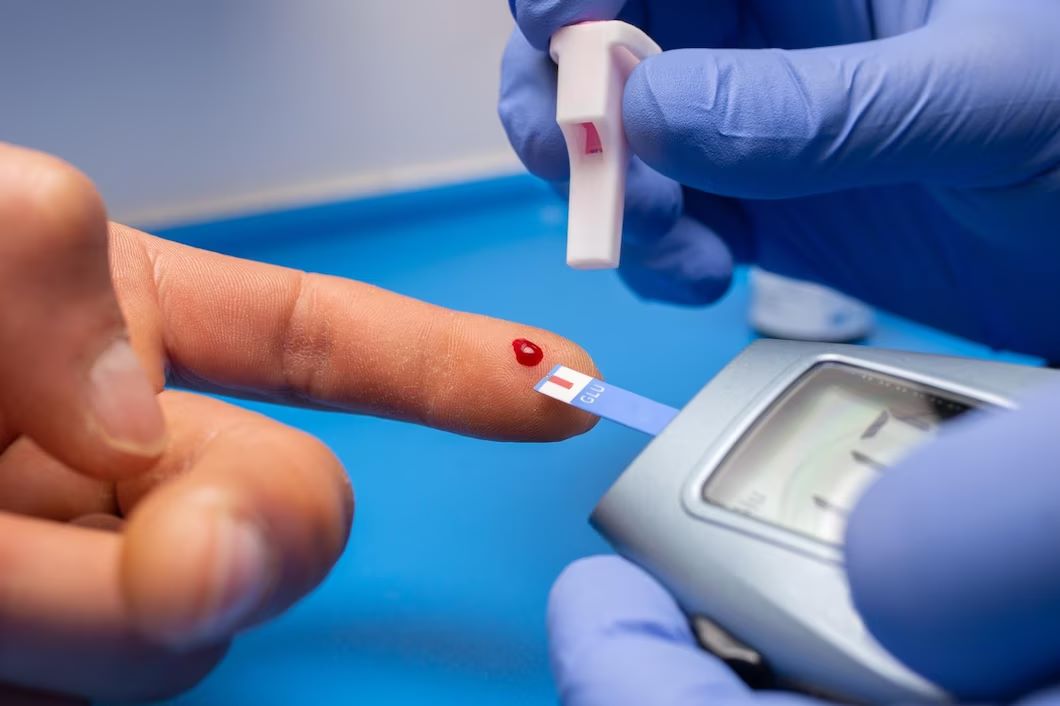
glucose blood sugar

Common Causes of High Glucose

High blood sugar can happen for several reasons. Some causes are temporary, while others may indicate an underlying medical condition.

Eating foods high in refined carbohydrates or sugar can cause blood glucose levels to rise quickly. Large portions of food may also contribute to temporary spikes in blood sugar.

Physical inactivity can also increase blood glucose levels. Exercise helps the body use glucose for energy, so when activity levels are low, glucose may remain in the bloodstream.

Stress is another factor that can increase blood sugar levels. During stressful situations, the body releases hormones that may cause the liver to release more glucose into the blood.

Medical conditions such as diabetes are one of the most common causes of consistently high glucose levels. In diabetes, the body either does not produce enough insulin or cannot use insulin properly.

Certain medications, infections, and hormonal changes may also raise blood sugar levels.

Symptoms of High Blood Sugar

Many people do not notice symptoms when their glucose levels rise slightly. However, when blood sugar becomes significantly elevated, the body may begin to show warning signs.

Common symptoms of high glucose include increased thirst, frequent urination, fatigue, and blurred vision. Some people may also experience headaches or difficulty concentrating.

In more severe cases, high blood sugar may cause nausea, dry mouth, and weakness. When glucose levels remain high for a long period of time, it may damage blood vessels and nerves.

Recognizing symptoms early can help prevent complications.

Health Risks of Long Term High Glucose

When blood sugar remains elevated for long periods, it can increase the risk of several health problems. High glucose levels can damage blood vessels throughout the body.

Long term high blood sugar may contribute to heart disease, kidney disease, nerve damage, and vision problems. It can also weaken the immune system and slow the healing of wounds.

Managing blood sugar levels is important for preventing these complications and maintaining overall health.

How High Glucose Is Diagnosed

Doctors usually measure blood glucose through simple blood tests. One common test is the fasting blood glucose test, which measures blood sugar levels after a period without eating.

Another test called the A1C test measures average blood sugar levels over the past two to three months. This test provides a broader picture of how well blood sugar has been controlled.

If results show consistently high levels, healthcare providers may diagnose prediabetes or diabetes and recommend treatment options.

What to Do If Your Glucose Is High

If you notice elevated glucose levels, there are several steps that may help bring them down safely.

Improving your diet is one of the most effective strategies. Choosing foods with lower amounts of refined sugar and focusing on balanced meals can help stabilize blood sugar.

Regular physical activity can also help lower blood glucose levels. Exercise encourages the body to use glucose as fuel and improves insulin sensitivity.

Maintaining a healthy body weight may also improve blood sugar control. Even small reductions in weight can help improve insulin function.

Managing stress and getting enough sleep can support healthy hormone balance and better glucose control.

If blood sugar levels remain high despite lifestyle changes, medical evaluation is important.

Foods That Help Manage Blood Sugar

Certain foods can support better glucose control. High fiber foods such as vegetables, legumes, and whole grains slow the absorption of sugar into the bloodstream.

Lean proteins such as fish, poultry, and beans help maintain stable energy levels. Healthy fats from foods such as nuts, seeds, and avocados may also support balanced blood sugar.

Limiting sugary beverages, processed snacks, and highly refined carbohydrates can help prevent sudden spikes in blood sugar.

Balanced meals that combine protein, fiber, and healthy fats are often more effective at maintaining stable glucose levels.

When to See a Doctor

Occasional spikes in blood sugar may occur after large meals or stressful situations. However, if high glucose levels occur frequently, it is important to seek medical advice.

Persistent symptoms such as excessive thirst, frequent urination, or unexplained fatigue should be evaluated by a healthcare professional.

Early diagnosis and treatment can help prevent long term complications and support better health outcomes.

Frequently Asked Questions

What does high glucose mean in a blood test

High glucose means that the level of sugar in your blood is higher than the normal range. This may occur due to diet, stress, illness, or conditions such as diabetes.

Can stress cause high glucose levels

Yes. Stress hormones can cause the body to release extra glucose into the bloodstream, which may temporarily increase blood sugar levels.

Is high glucose always diabetes

Not always. Temporary increases can occur after meals or illness. However, consistently high levels may indicate prediabetes or diabetes.

How can I lower my glucose naturally

Healthy eating, regular exercise, stress management, and maintaining a healthy weight can help improve blood sugar control.

What is considered a dangerous glucose level

Extremely high blood glucose levels may require immediate medical attention, especially if they are accompanied by symptoms such as confusion, severe fatigue, or nausea.