When Is the Best Time to Exercise: Morning vs Evening Workouts Explained

Many people wonder when is the best time to exercise to get the most benefits from their workouts. The truth is that the best time to exercise depends on your personal schedule, energy levels, and fitness goals. Some people perform better in the morning, while others feel stronger and more energetic later in the day.

Research suggests that regular exercise is more important than the specific time of day. Whether you choose morning, afternoon, or evening workouts, consistency is the key factor that determines long term health and fitness results.

Understanding how different workout times affect your body can help you choose the schedule that works best for you.

Benefits of Exercising in the Morning

Morning workouts are popular because they help people start the day with energy and focus. Exercising early can improve mood and increase alertness throughout the day.

Many people find it easier to maintain a consistent routine when they exercise in the morning before daily responsibilities begin. Morning workouts may also help boost metabolism and encourage healthier choices throughout the day.

Another advantage is that gyms and parks are often less crowded in the early hours, allowing for a more relaxed workout environment.

Morning exercise can also help regulate sleep patterns when performed consistently.

Advantages of Afternoon Workouts

For some individuals, the afternoon can be an ideal time for physical activity. Body temperature tends to rise during the day, which may improve muscle flexibility and strength.

This natural increase in body temperature may help reduce the risk of injury and allow the body to perform more efficiently during workouts.

Afternoon workouts can also serve as a productive break from work or daily tasks, helping reduce stress and improve concentration.

People who struggle with early mornings may find afternoon exercise easier to maintain as part of their routine.

Why Evening Workouts Work for Many People

Evening workouts are often preferred by people who feel more energetic later in the day. After eating several meals and moving throughout the day, the body may feel stronger and more prepared for intense physical activity.

Strength and endurance levels may be higher during the evening for some individuals. This can make evening workouts particularly effective for strength training and high intensity exercise.

For many people, exercising after work provides a way to release stress and transition into relaxation at the end of the day.

However, intense workouts very close to bedtime may make it harder for some individuals to fall asleep.

How Your Fitness Goals Affect Workout Timing

Your personal fitness goals may influence the best time to exercise.

People who want to improve consistency and build a daily routine often benefit from morning workouts. Exercising early reduces the chance that other responsibilities will interfere with training.

Individuals focused on strength training or high intensity workouts may perform better in the afternoon or evening when the body is fully awake and warmed up.

Those who exercise primarily for stress relief or relaxation may prefer evening workouts because they help release tension accumulated during the day.

Ultimately, the most effective workout schedule is the one you can maintain regularly.

Exercise

The Role of Consistency in Fitness Results

While timing can influence performance, consistency has a much greater impact on long term results. Exercising at the same time each day can help build a stable routine.

When exercise becomes a regular habit, it is easier to maintain motivation and discipline.

Consistency also helps the body adapt to physical activity. Over time, regular workouts improve cardiovascular health, muscle strength, and overall endurance.

Even short workouts performed regularly can provide meaningful health benefits.

Listening to Your Body

Each person has a natural daily rhythm that affects energy levels and physical performance. Some people naturally feel more alert in the morning, while others feel stronger later in the day.

Paying attention to how your body responds to different workout times can help you determine the most comfortable schedule.

If you feel tired and unmotivated during morning workouts but energetic in the evening, adjusting your schedule may improve your consistency and enjoyment.

The best workout time is one that fits your lifestyle and supports long term habits.

Tips for Choosing the Best Time to Exercise

When deciding when to exercise, consider your work schedule, sleep patterns, and daily responsibilities. Choose a time that allows you to focus on your workout without feeling rushed.

Start with a schedule that feels realistic and gradually build your routine. Over time, exercise can become a natural part of your daily life.

It may also be helpful to prepare your workout clothes or plan your exercise session in advance. Planning ahead reduces the chance of skipping workouts.

Finding a time that feels comfortable and sustainable will help maintain long term fitness progress.

Health Benefits of Regular Exercise

Regardless of the time of day, regular physical activity provides many health benefits. Exercise supports heart health, improves circulation, and strengthens muscles.

Physical activity also helps manage body weight and improves mental well being. Many people experience reduced stress and improved mood after exercising.

Exercise can also improve sleep quality and increase overall energy levels.

The most important factor is maintaining a consistent routine that supports both physical and mental health.

Frequently Asked Questions

Is it better to exercise in the morning or evening

Both morning and evening workouts offer benefits. The best option depends on your personal schedule, energy levels, and fitness goals.

Can morning exercise help with weight loss

Morning workouts may help build a consistent routine, which can support weight management when combined with healthy eating habits.

Is evening exercise bad for sleep

Moderate evening exercise is generally safe. However, very intense workouts immediately before bedtime may affect sleep for some people.

How long should a workout be

Many health experts recommend at least 150 minutes of moderate physical activity each week, which can be divided into several shorter sessions.

What is the most important factor for exercise success

Consistency is the most important factor. Regular workouts over time provide greater benefits than occasional intense exercise.

How to Build Abs: Effective Exercises, Diet, and Habits for Strong Core Muscles

Many people search for how to build abs because they want a stronger core and a more defined midsection. Building abdominal muscles is not only about appearance. Strong abs support posture, balance, and overall physical strength. However, developing visible abdominal muscles requires a combination of exercise, proper nutrition, and consistent lifestyle habits.

The abdominal muscles become stronger through targeted exercises, but they become visible when body fat levels are reduced. This means that both strength training and healthy eating play an important role in developing abs.

This guide explains how to build abdominal muscles safely and effectively while improving overall fitness.

Understanding the Abdominal Muscles

The abdominal region consists of several muscle groups that work together to support the spine and stabilize the body. The main abdominal muscles include the rectus abdominis, which runs vertically along the front of the stomach, and the obliques, which are located along the sides of the torso.

These muscles help with movements such as bending, twisting, and maintaining balance during physical activities. Strengthening these muscles improves functional fitness and reduces the risk of injury.

Building abs involves training these muscles while also reducing excess body fat so the muscles become more visible.

The Importance of Reducing Body Fat

Even if your abdominal muscles are strong, they may not be visible if they are covered by body fat. This is why many fitness experts emphasize the role of nutrition and overall fat loss when working toward defined abs.

Creating a slight calorie deficit through balanced eating and regular exercise can gradually reduce body fat. As body fat decreases, the abdominal muscles become more visible.

Healthy weight management combined with strength training is usually the most effective approach.

Best Exercises for Building Abs

Abdominal exercises help strengthen the core muscles and improve muscle definition. Consistent training is necessary to see progress.

Plank exercises are widely recommended because they activate multiple core muscles at the same time. Holding a plank position strengthens the entire core while improving stability.

Crunches are another common exercise that targets the front abdominal muscles. Performing controlled crunch movements helps develop strength in the rectus abdominis.

Leg raises are effective for strengthening the lower portion of the abdominal muscles. This exercise requires lifting the legs while keeping the core engaged.

Bicycle movements also engage the oblique muscles on the sides of the abdomen. These movements combine twisting and lifting actions that activate several muscle groups simultaneously.

Performing these exercises two to four times per week can help build core strength over time.

Include Full Body Strength Training

While abdominal exercises are important, full body workouts also contribute to stronger abs. Exercises such as squats, deadlifts, and pushups require the core muscles to stabilize the body.

These compound movements engage multiple muscle groups and increase overall strength. They also burn more calories, which supports fat loss and improves muscle definition.

Combining core exercises with full body strength training often produces better results than focusing on abs alone.

Follow a Balanced Diet

Nutrition plays a major role in revealing abdominal muscles. Eating balanced meals helps support muscle development while controlling body fat.

Protein rich foods such as eggs, fish, poultry, beans, and yogurt support muscle growth and recovery after workouts. Whole grains provide energy for exercise, while fruits and vegetables supply essential vitamins and antioxidants.

Healthy fats from foods such as nuts, seeds, and avocados support hormone balance and overall health.

Limiting processed foods and excessive sugar may help reduce unnecessary calorie intake and support fat loss.

Stay Consistent With Exercise

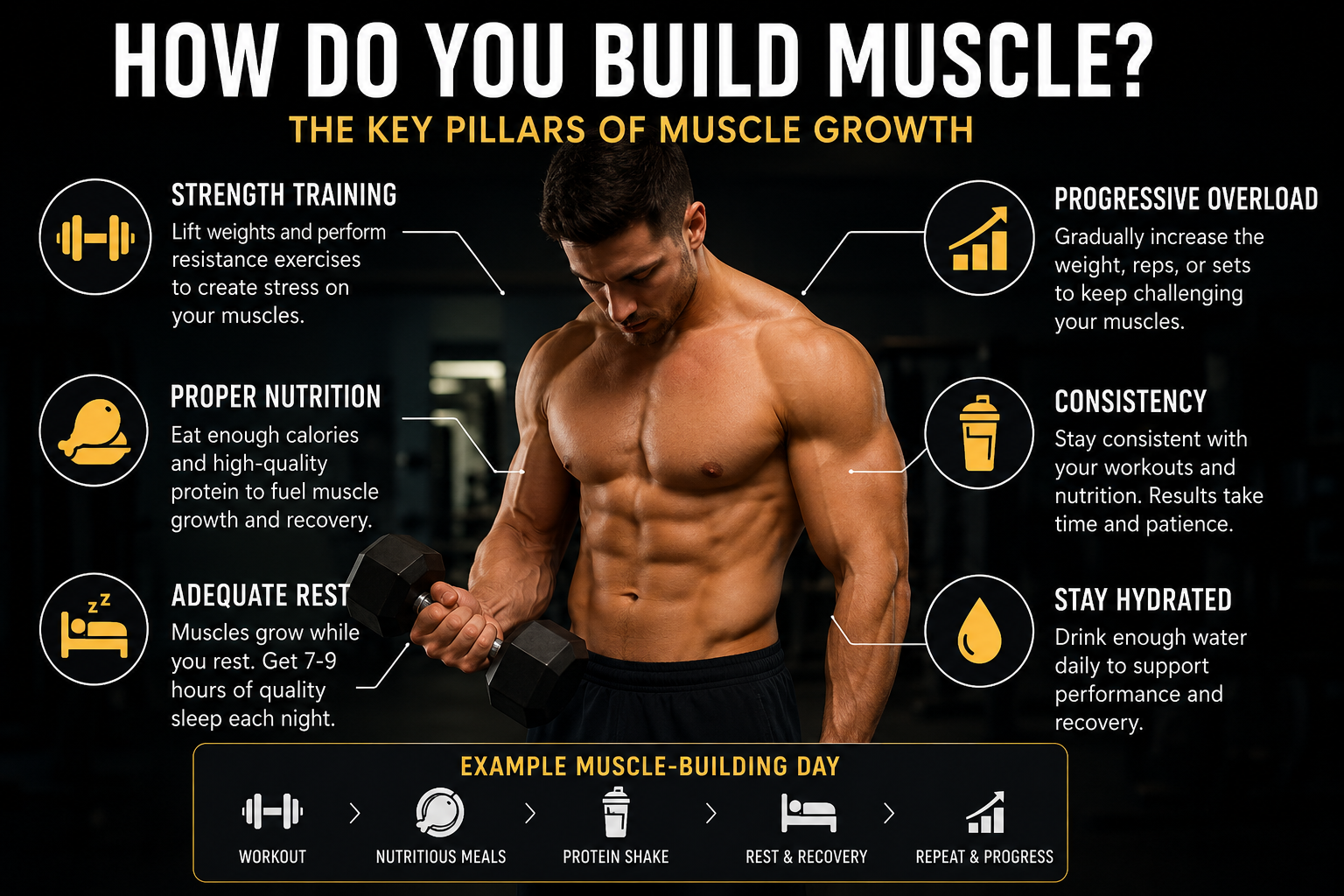
Consistency is one of the most important factors when building abs. Many people expect quick results, but developing muscle and reducing body fat takes time.

Following a regular exercise schedule helps build strength gradually. Most people begin noticing improvements in core strength within a few weeks, while visible abdominal definition may take longer depending on body composition.

Patience and consistency are key to long term results.

Improve Posture and Core Engagement

Practicing good posture during daily activities can also help strengthen the core muscles. When you stand or sit upright, the abdominal muscles remain slightly engaged to support the spine.

Simple habits such as maintaining proper posture while walking or sitting at a desk can contribute to stronger core muscles over time.

Engaging the core during workouts and daily movements helps reinforce muscle activation.

Get Enough Rest and Recovery

Muscles grow and repair during periods of rest. Without proper recovery, progress may slow down and the risk of injury may increase.

Getting adequate sleep each night helps support muscle repair and hormone balance. Rest days between intense workouts allow the muscles to recover and become stronger.

Balancing exercise with recovery is important for long term fitness progress.

Common Mistakes When Trying to Build Abs

One common mistake is focusing only on abdominal exercises while ignoring overall body fat levels. Without proper nutrition and fat loss, abdominal muscles may remain hidden.

Another mistake is expecting quick results. Visible abs often require consistent effort over several months.

Overtraining the core muscles without proper recovery can also lead to fatigue and injury. Balanced training with rest days helps prevent these problems.

Build Abs

Long Term Benefits of Strong Abs

Developing strong abdominal muscles provides several benefits beyond appearance. A strong core improves posture, supports spinal health, and enhances balance.

Athletes and active individuals rely on core strength for many movements such as lifting, running, and jumping. Strong abs also help stabilize the body during everyday activities.

Building core strength can therefore improve both fitness performance and daily comfort.

Frequently Asked Questions

How long does it take to build abs

The timeline varies for each person. Core strength can improve within a few weeks, but visible abs usually require consistent exercise and body fat reduction over several months.

Can you build abs without going to the gym

Yes. Many core exercises such as planks, crunches, and leg raises can be performed at home without equipment.

Do ab exercises burn belly fat

Ab exercises strengthen the muscles but do not directly burn fat in one area. Overall fat loss through diet and exercise helps reveal abdominal muscles.

How often should you train your abs

Training the core two to four times per week is usually effective for building strength while allowing proper recovery.

Does diet affect abdominal muscles

Yes. Balanced nutrition helps reduce body fat and supports muscle development, both of which are necessary for visible abs.