

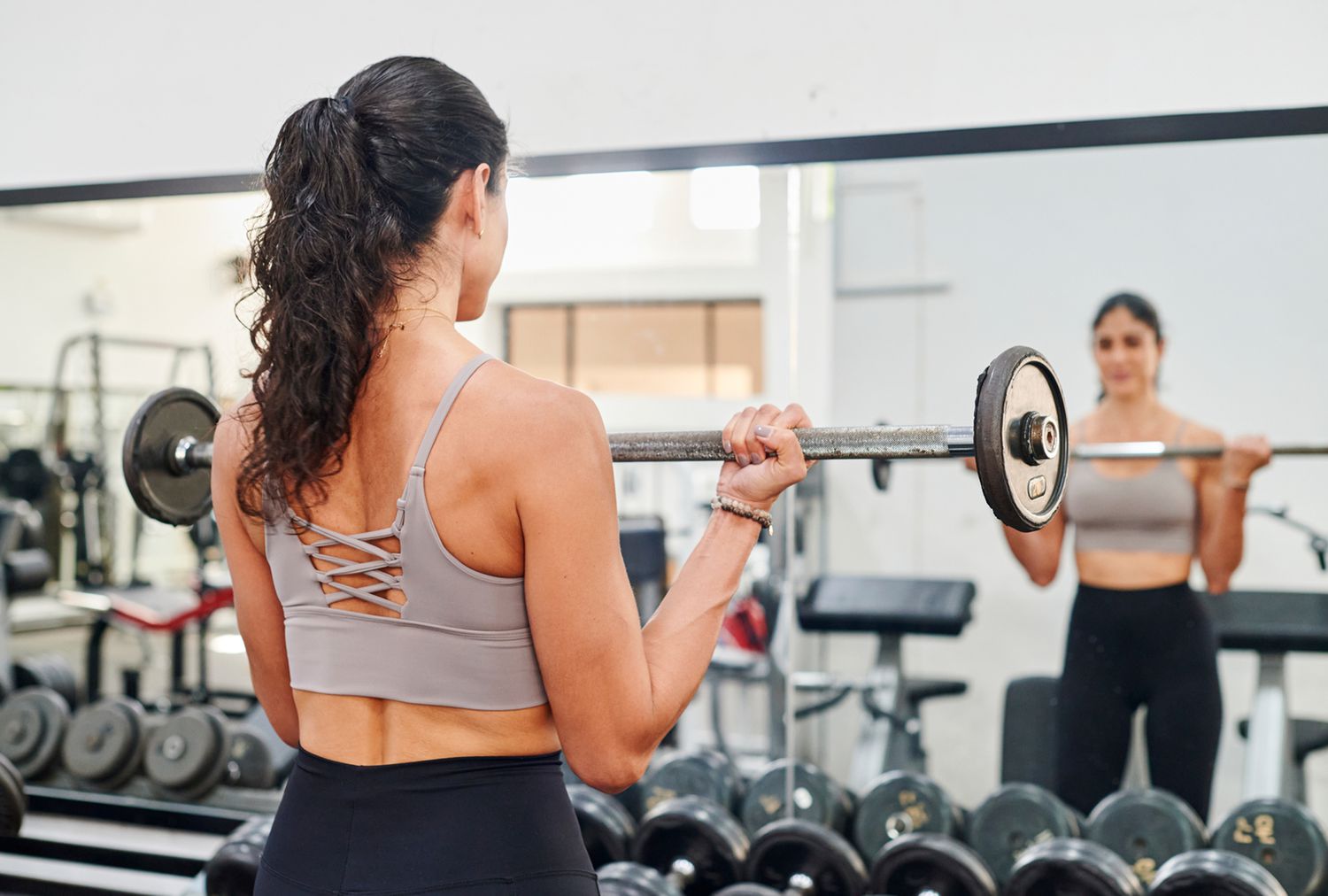
If you are wondering what CrossFit is, the simple answer is that CrossFit is a high intensity fitness training program that combines strength training, cardiovascular exercise, gymnastics, and functional movements into constantly varied workouts. The goal is to improve overall fitness rather than focusing on a single area such as strength or endurance.
Unlike traditional gym routines that separate muscle groups, CrossFit trains your entire body through movements that mimic everyday activities. Workouts are designed to improve strength, speed, flexibility, balance, endurance, coordination, and power. Whether you are a beginner or an experienced athlete, CrossFit workouts can be scaled to match your current fitness level.
This guide explains how CrossFit works, its benefits, potential risks, and whether it is the right choice for your fitness goals.
What Is CrossFit?
CrossFit is a branded fitness methodology created in 2000 by Greg Glassman. It combines elements from Olympic weightlifting, powerlifting, gymnastics, rowing, running, and bodyweight exercises into short but challenging workouts.
The program follows the principle of constantly varied functional movements performed at relatively high intensity. Instead of repeating the same routine every week, workouts change regularly to challenge different muscle groups and energy systems.
Many CrossFit gyms, commonly called boxes, offer coach led group sessions where participants complete the Workout of the Day, often referred to as the WOD.
How Does CrossFit Work?
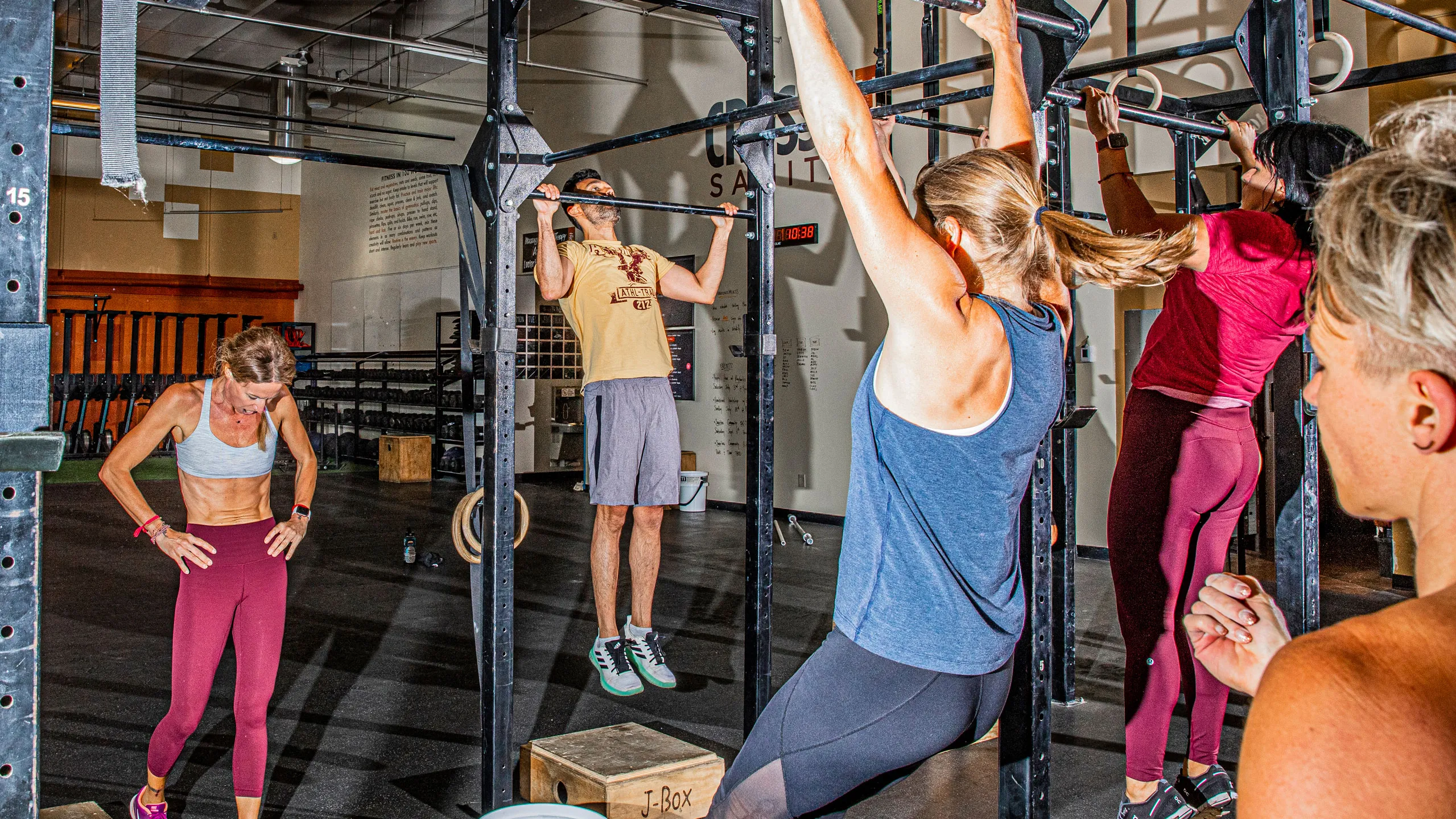
Every CrossFit workout is designed to improve multiple areas of fitness at the same time. Sessions usually last between 45 and 60 minutes and include a warm up, skill practice, strength training, the main workout, and a cool down.
A typical workout may combine exercises such as squats, push ups, pull ups, rowing, kettlebell swings, deadlifts, box jumps, and short runs.
The intensity is adjusted based on individual fitness levels, making the program suitable for beginners and advanced athletes alike.
What Are Functional Movements?
Functional movements are exercises that reflect natural body movements used in everyday life.
Examples include:
Squatting to pick up objects
Lifting items from the floor
Pushing and pulling
Jumping
Running
Carrying weight
Because these movements involve multiple joints and muscle groups, they improve strength, mobility, coordination, and balance more effectively than isolated machine exercises.
Benefits of CrossFit
CrossFit has become one of the world’s most popular training programs because it offers several physical and mental benefits.
Improves Overall Fitness
CrossFit develops strength, endurance, flexibility, agility, power, and cardiovascular fitness in one training program.
Unlike specialized training plans, it prepares the body for a wide variety of physical activities.
Burns Calories Efficiently
High intensity workouts increase calorie expenditure during and after exercise. This can support fat loss when combined with proper nutrition.
Many participants also experience improved metabolic health through consistent training.
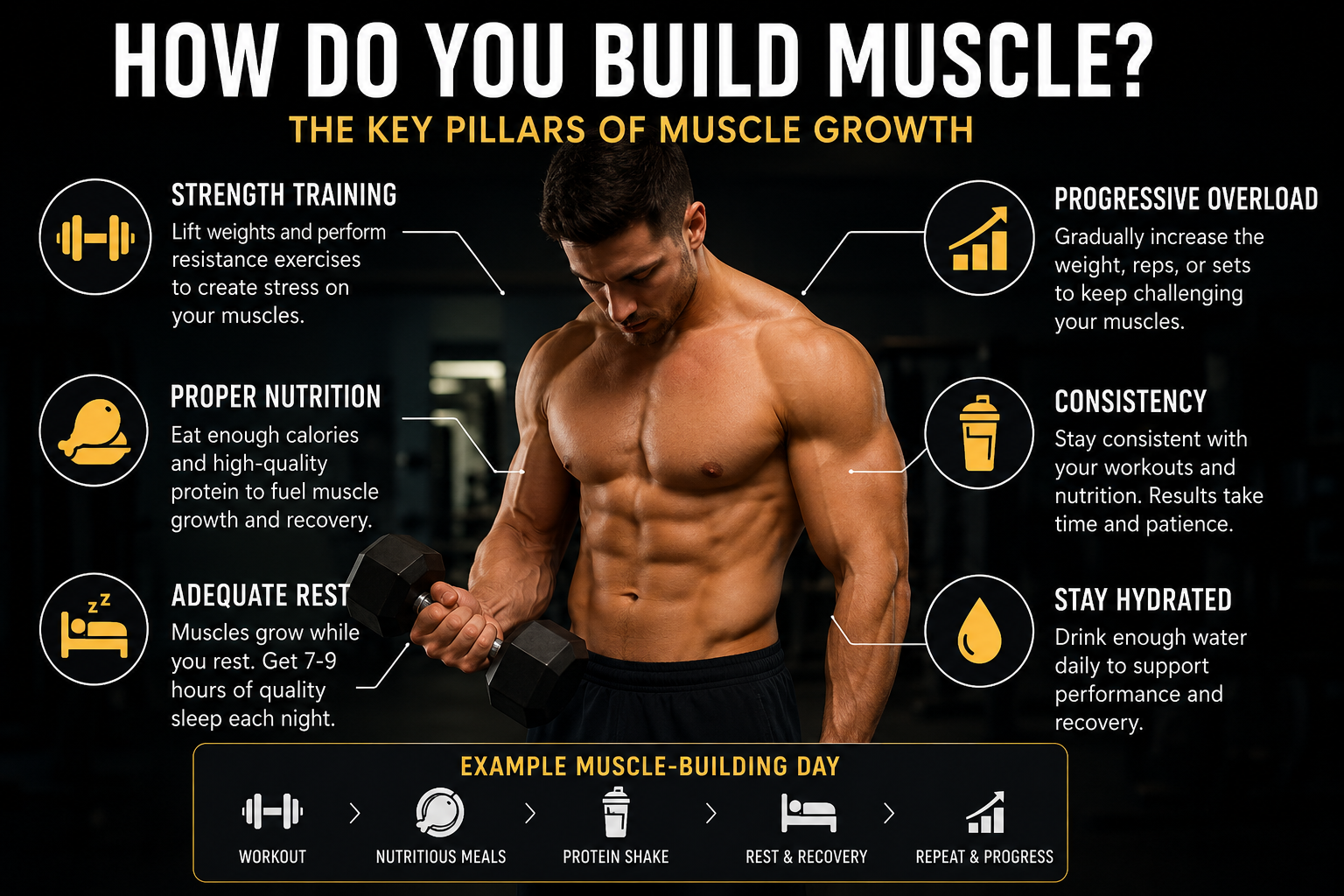
Builds Muscle and Strength
Exercises such as deadlifts, squats, presses, and Olympic lifts stimulate muscle growth while improving functional strength.
Progressive overload allows beginners to gain strength steadily over time.
Increases Cardiovascular Endurance
Many workouts include rowing, running, cycling, or jump rope intervals that improve heart and lung function.
Better cardiovascular fitness supports overall health and athletic performance.
Creates a Strong Community
One of the biggest reasons people stay committed to CrossFit is the supportive community.
Training alongside others often increases motivation, accountability, and consistency compared with exercising alone.
Is CrossFit Good for Weight Loss?
CrossFit can be effective for weight loss because it combines resistance training with high intensity conditioning.
However, exercise alone is not enough. Sustainable fat loss depends primarily on maintaining a calorie deficit through balanced nutrition.
When combined with healthy eating habits, CrossFit can help reduce body fat while preserving lean muscle.
Is CrossFit Safe?
CrossFit is generally safe when workouts are supervised by qualified coaches and exercises are performed with proper technique.
Injuries usually occur when people use poor form, attempt weights beyond their ability, or ignore recovery.
Beginners should focus on learning movement patterns before increasing intensity.
Proper warm ups, mobility work, and adequate rest significantly reduce injury risk.
Who Should Try CrossFit?
CrossFit is suitable for many people because every workout can be modified.
It may be a good choice if you want to:
Improve overall fitness
Lose weight
Build strength
Increase endurance
Train in a supportive group environment
Challenge yourself with varied workouts
Individuals with existing injuries or medical conditions should consult their healthcare provider before beginning any high intensity exercise program.
What Equipment Is Used in CrossFit?
CrossFit workouts often include a variety of equipment depending on the workout.
Common equipment includes:
Barbells
Dumbbells
Kettlebells
Medicine balls
Pull up bars
Rowing machines
Jump ropes
Plyometric boxes
Not every workout uses equipment. Many sessions rely entirely on bodyweight exercises.
CrossFit vs Traditional Gym Training
| Feature | CrossFit | Traditional Gym |
|---|---|---|
| Workout Style | Constantly varied | Fixed routines |
| Coaching | Group coaching | Mostly self directed |
| Cardio and Strength | Combined | Often separated |
| Community | Strong group environment | Individual training |
| Beginner Friendly | Yes, with scaling | Yes |
Both approaches can improve fitness. The best choice depends on your goals and personal preferences.
Tips for Beginners
Start with proper coaching and learn correct movement techniques before increasing intensity.
Focus on consistency rather than competition.
Prioritize recovery through adequate sleep, hydration, and balanced nutrition.
Listen to your body and avoid comparing yourself with experienced athletes.
Progress gradually to reduce injury risk and build long term success.
Common Mistakes Beginners Make
Trying to lift too much weight too soon.
Skipping warm up and mobility exercises.
Ignoring recovery days.
Sacrificing technique for speed.
Comparing progress with experienced members.
Avoiding these mistakes helps create a safer and more enjoyable experience.
Frequently Asked Questions
Is CrossFit suitable for beginners?
Yes. Every workout can be modified according to fitness level, making CrossFit accessible for beginners with proper coaching.
How many days per week should I do CrossFit?
Most beginners benefit from three to four sessions per week with rest days between workouts.
Can CrossFit help build muscle?
Yes. Resistance training combined with progressive overload supports muscle growth and increased strength.
Do I need to be fit before starting CrossFit?
No. CrossFit is designed for all fitness levels, and coaches adjust workouts based on individual ability.
Is CrossFit better than a regular gym?
Neither is universally better. CrossFit offers varied, coach led workouts with a strong community, while traditional gyms provide more flexibility and independent training.
Page Source References
CrossFit. What Is CrossFit.
https://www.crossfit.com/what-is-crossfit
American College of Sports Medicine. Physical Activity Guidelines.
https://www.acsm.org
Centers for Disease Control and Prevention. Physical Activity Basics.
https://www.cdc.gov/physicalactivity/basics/index.htm
National Strength and Conditioning Association. Resistance Training Resources.
https://www.nsca.com




Leave a Reply