What Vitamins and Supplements Should I Take

Determine what vitamins and supplements should you take it depends on the diet, lifestyle, and health needs. A healthy diet provides most people with the optimal nutritional level, and dietary supplements provide an extra option for those who experience specific gaps in their body nutrition.

Based on health goals or deficiencies, common vitamins like vitamin D (for bone health), Vitamin B12 (for fatigue), and other prevalent minerals such as iron and magnesium are usually recommended. But taking supplements without knowing your needs may be useless and at times even harmful.

This guide describes the best vitamins and supplements, who may need them, and how to choose safe products.

Why Vitamins and Supplements Matter

Vitamins and minerals Nutrients that play a key role in keeping the body running, from energy production to immune function and bone strength to brain health.

However, a balanced diet rich in fruits, vegetables, whole grains, protein and healthy fats often contains most of these nutrients. At the same time, deficiencies may occur due to modern lifestyles, dietary restrictions and health conditions.

When used properly, supplements can aid in the proper functioning of our bodies.

Common Vitamins Most People Need

Some vitamins to consider are often suggested as most people do not get enough through diet often.

This is vitamin D, which provides support for bone health and immune functioning. The reverse holds true for people longer deprived of sun time.

Related: 10 foods high in vitamin b12 Vitamin B12 is essential for nerve function and energy production. This is often recommended for vegetarians and the over 50s

Due to its role in immune health and in protecting cells from damage, vitamin C is well known. Available from many fruits and vegetables but may need to be supplemented if eaten in quantities too low.

With a range of nutrients, multivitamins can be beneficial for overall health.

Important Minerals to Consider

Minerals are essential for normal bodily functions.

Iron transports oxygen in the bloodstream. Particularly for women or those who are low in iron.

Calcium is important for strengthening bones and supports the health of the teeth.

Magnesium is involved in muscle functioning, nerve activity, and energy production.
Zinc helps in immune function and wound healing.

These minerals are contained in a balanced diet but may need supplementation depending on the situation.

Supplements Based on Lifestyle Needs

Depending on the lifestyle of a person, there might be different supplements needed.
Vitamin D supplements may benefit those who do not get lots of sun. Vitamin B12 and Iron for Vegetarians or Vegans

If you train a lot, you may need more of these nutrients to help fuel and recover from workouts. Calcium & vitamin D in old age – reduced bone health.

What your lifestyle is like will demand which supplements might be beneficial.

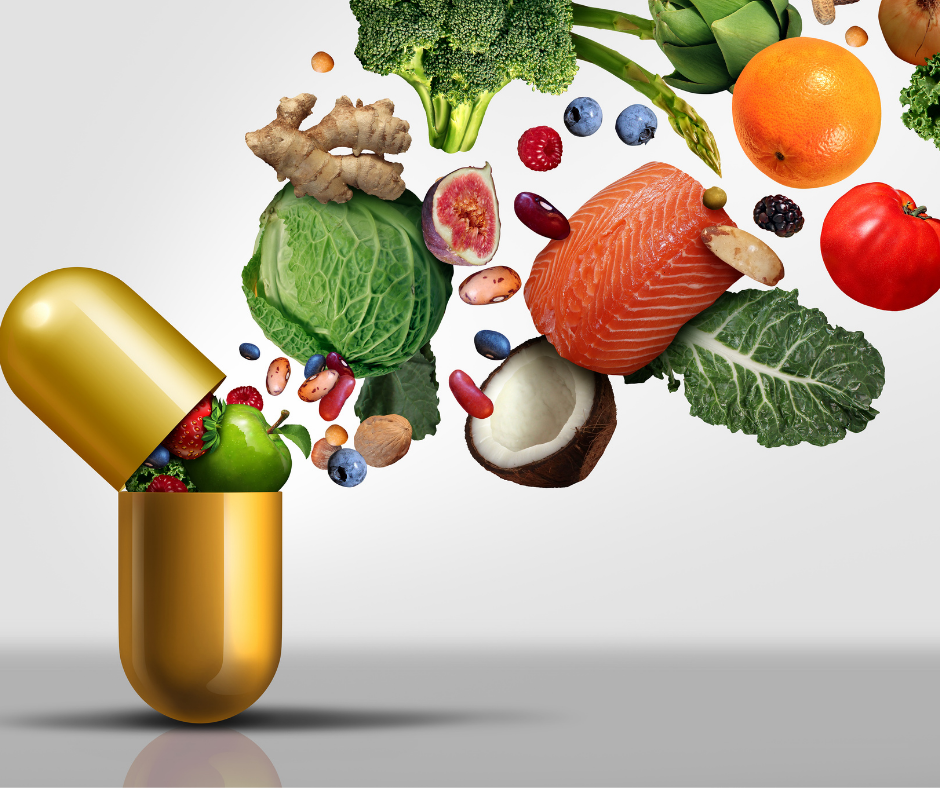
vitamins for health

Natural Sources vs Supplements

However, as buttermilk should be made the best source of nutrients is by consuming whole foods. Foods contain multiple vitamins, minerals and antioxidants that work together to promote health.

No amount of supplements can replace proper nutrition. Their role is to supplement nutrition when there is insufficient intake of nutrients through diet.

The best results will be obtained when following a balanced diet and taking the adequate supplements.

How to Determines The Right Supplement

Deciding on the proper dietary supplements will be a process of realizing what vitamins you need and getting pleasant merchandise.

An important way to measure whether or not you are getting the proper dosage is by reading labels and checking ingredient lists.

One should not overdose on any vitamins as that might cause side effects.

It is best to consult the health care professional before beginning on supplements, mainly if you have any other health conditions.

Risks of Over Supplementation

It means that megadosing and overdosing on supplements is when it becomes detrimental. Overconsumption of specific vitamins and minerals can lead to side effects or medication interactions.

Excess vitamin A can be toxic, excess iron may cause gastrointestinal complications.

But following recommended dosages can protect against these risks.

A balanced diet can be the secret of health.

Signs You May Need Supplements

There are quite a few signs that can suggest nutritional deficiencies.

Fatigue, weakness, ridgy brittle nails or hair loss and recurrent illness may be symptoms of being low in nutrients.

However these symptoms can have several different underlying causes. Deficiencies can be diagnosed properly by medical advice and testing.

Only use supplements under the guidance of your doctor (abandon self diagnosis!).

Building a Balanced Health Routine

The best supplements are always the ones which compliment a healthy lifestyle.
Good nutrition, exercise, sleep and stress managements all work together to ensure general well being.

When you take a holistic approach to health, results are far deeper and longer lasting than just supplementing.

Keeping to healthy habits is good for both physical and mental health.

Frequently Asked Questions

Do you need to take vitamins on a daily basis?

Some take them every day, and it totally depends upon the diet requirements of an individual.

What is the ultimate supplement for health

Nutrition is the key to health. If applicable, multivitamins can fill nutritional holes.

Can I combine multiple supplements?

Sure, as long you make sure they keep from going above suggested dosages or unfavorable reactivity.

Do supplements really work

If there is a deficiency, supplements can act as an effective treatment modality but are no replacement for proper nutrition.

How do I tell what vitamins I require?

Consulting a healthcare professional and testing the levels of certain nutrients will help in determining your basal needs.

Page Source References

National Institutes of Health. Vitamins and supplements information.
https://ods.od.nih.gov

Harvard Health Publishing. Dietary supplements and nutrition guidance.
https://www.health.harvard.edu

Mayo Clinic. Vitamins and supplements overview.
https://www.mayoclinic.org

How Do I Lose Weight Quickly: Safe and Effective Ways to Burn Fat Fast

If your question is how do I lose weight quickly, best approach would be to practice balanced eating followed by frequent exercising with the right habits in place that generates a calorie deficit. You can certainly achieve fast weight loss, but it should be done with your safety in mind, so that you don’t end up negatively impacting your health.

It’s not about rapid weight loss, it’s slow fat loss whilst retaining muscle and health. You’ll see results quickly from making small, consistent changes to your daily routine.

This guide provides comprehensive information on fast weight loss and how to do it safely and effectively.

Key Things to Grasp about Weight Loss

Weight loss occurs when you burn more calories than you take in. This is what is called a calorie deficit. When your body doesn’t receive enough calories from food, it uses stored fat to create energy.

Establishing a moderate calorie deficit through diet and exercise is the best way to lose weight.

Overly restrictive dieting may result in short term success but can ultimately backfire and damage your health.

Focus on a Balanced Diet

In this article you will find out about Which foods to eat for weight loss quicker. A balanced, whole-food diet can help make you feel full during the day and encourage fat loss.
Include protein-rich foods like eggs, chicken, fish, beans and yogurt. Protein keeps you satiated and aids muscle preservation.

Include a variety of vegetables and fruits in your meals for fiber and nutrients. These types of foods help in regulating appetite and improve digestive system.

Minimizing processed foods, sugary drinks and excess refined carbohydrates can reduce calorie consumption.

Increase Physical Activity

Physical activity is a key way to expel calories and improve fitness. Cardio and Strength Training Can Actually Help You Lose Weight Faster.

Activities like walking, running, cycling and swimming burn calories. Weight training builds muscle mass and raises metabolism.

Regular physical activity improves energy levels and mood as well.

Even minor changes in daily activity can have an impact.

Drink Enough Water

Water is important for weight loss. Drinking water helps prevent hunger and aids in metabolism. Drinking water before meals has also been shown to reduce calorie intake and make people feel fuller.

Avoiding sugary beverages in favor of water can cut hundreds of calories from daily intake. Drinking enough water promotes overall health and allows the body to operate as it should.

Improve Your Eating Habits

Easy adjustments to your diet can help you lose weight sooner. When you eat slowly, your body gets a chance to register satiety and prevents overeating.

Another key component is portion control. Being mindful of the food portions you are taking can control your calorie consumption.

Planning meals ahead of you can help decrease the likelihood of unhealthy options.
Having regular eating habits promotes long-term success.

Lose Weight Quickly

Get Enough Sleep

Sleep is an important piece of managing your weight. Not getting enough sleep can disrupt hormones that regulate hunger and appetite.

Those who are sleep deprived may experience increased feelings of hunger leading to the consumption of more calories.

Sleeping seven to nine hours per night promotes healthy weight loss and wellbeing.

Healthy sleeping patterns also energize you for daily activities.

Manage Stress Levels

Stress can also trigger emotional eating and poor food choices. It might also impact hormone levels that drive weight gain.

Techniques like deep breathing, meditation and routine exercise may relieve stress.

Handling stress promotes better decision making and healthier habits.

Avoid Crash Diets

Crash diets promise patients quick weight loss, but they often result in muscle loss and nutrient deficiencies. They are hard to adhere to and can lead to weight regain.

Enduring weight loss only comes from a healthy and nutritious diet paired with steady habits.

A realistic process keeps results sustainable long term.

Track Your Progress

Focus on Progress Tracking to keep you Motivated. Monitoring your weight, what you eat and how much exercise you get can also offer helpful insights.

Little advancements across time will accumulate for large outcomes.

Tinker with your plan according to progress keeps weight loss at a constant pace.

What Results Can You Expect

The speed of weight loss is different for everyone. When you commit to consistent habits, many will notice changes within weeks.

Healthy weight loss tends to be slow, even if results come quickly at first.

The longer one can practice this truth, the better the results.

Frequently Asked Questions

Quickest Safe Weight Loss

Safe weight loss is usually between one and two pounds a week, although you may see quicker results at first.

Did you lose weight without exercise

And yes, diet has a huge impact, but adding exercise allows for better results and overall health.

Best diet for rapid weight loss

Eating a balanced diet filled with protein, vegetables and whole foods is essential for sustainable weight loss.

Water For Weight Loss: Does It Help?

Yes. Drinking water can control appetite and decrease calories consumed.

Why am I not losing weight quickly enough.

Calorie intake, activity level, sleep and stress can all have an impact on weight loss progress.

Page Source References

Centers for Disease Control and Prevention. Healthy weight loss guidelines.
https://www.cdc.gov

Harvard Health Publishing. Diet and weight management research.
https://www.health.harvard.edu

Mayo Clinic. Weight loss strategies and health advice.
https://www.mayoclinic.org

What Foods Help Hair Growth: Best Nutrients for Strong and Healthy Hair

So, what foods promote hair growth is basically a healthy nutrient-dense diet that fosters your follicles and scalp health. Hair growth relies on specific proteins, vitamins and minerals that reinforce your hair strands and initiate a healthy cycle of hair growth.

High-protein, iron-studded, vitamin-rich and healthy fat-laden foods can help your hair stay strong, have less breakage and promote faster growth over time. No food can make hair grow in an instant, but good eating habits will help a lot when it comes to the quality and thickness of hair over time.

In this guide, you will learn about the best foods that help with hair growth and how nutrition influences hair health.

Protein, iron, vitamins A and D, zinc, selenium; all these nutrients are necessary for growing healthy hair.

Tresses are primarily made up of a protein known as keratin. Moreover, without adequate amounts of certain nutrients, the body will not produce strong and healthy hair. Nutritional deficiencies can cause hair to thin, slow growth, or fall out.

At that point, hair growth is simply not a priority. Poor diet is one of the most common culprits behind hair health.

Eating balanced meals, in turn, provides the building blocks for a healthier mane.

Hair Strength: Foods Gluten Rich Protein

Protein is the most crucial nutrient for hair growth. It serves as a framework for hair and helps reduce breaking.

High quality protein is found in foods like eggs, chicken, fish and legumes. These foods fortify damaged hair and provide support for new growth.

Daily meals should include protein as it helps in maintaining the strength and thickness of the hair.

Soak the nuts in water for 2-3 hours, then eat them plain.

Iron is crucial for delivering oxygen to hair follicles. Low iron levels can cause hair thinning or hair loss.

Good sources of iron include foods like spinach, lentils and beans as well as red meat. Having these foods in your diet also aids proper blood flow to the scalp.

Combining iron rich foods with vitamin C sources can enhance absorption.

Vitamins That Support Hair Growth

There are multiple vitamins that help improve your hair health. Vitamin A assists in the creation of natural oils to oil up the scalp. Vitamin C aids in collagen production and protects hair from damage.

Vitamin D is important for hair follicle health, while vitamin E improves scalp circulation.

These vitamins are abundant in fruits, vegetables, nuts, and seeds that can help you with healthy hair growth.

Healthy Fats for Hair Shine

Well-balanced oils also help to nourish the scalp and keep hair hydrated as well! They also help overall cell function, including hair cells.

Good fats are found in foods like avocados, nuts, seeds and fatty fish. These nutrients work to enhance the texture of your hair and reduce dryness.

Including Healthy Fats in Your Diet Can Help Shine & Manageability
Biotin and Zinc for Healthy Hair

Biotin is a vitamin as well, and it helps to encourage both the structure of hair and how well hair grows. Zinc is essential for hair follicles and thereby supports tissue repair.

Foods including nuts, seeds, whole grains and bananas supply these nutrients. Taking biotin and zinc in balanced amounts can help strengthen hair and promote growth.

A lack of these nutrients can impact the quality of hair.

Hydration and Hair Health

Stay hydrated: Drinking enough water is important for overall health, and it’s also crucial for hair growth. Hydration is also necessary as it retains moisture in the scalp and aids nutrient transportation within our body.

Dehydration can cause dry and brittle hair. Drinking an adequate amount of water on a daily basis can help you to have healthy hair from within.

A well-known fact is that hydration combined with a balanced diet can help improve hair quality too.

What to Avoid Eating for Healthier Hair Growth

Some foods can also have an adverse impact on hair health when consumed in excess. Fast food, added sugar and unhealthy fats can all lead to inflammation and difficulty absorbing nutrients.

Removing these foods can help restore health and promote an environment for hair growth.

Eat whole and micronutrient dense foods for better outcomes.

Building a Hair Healthy Diet

Another key to Hair Growth is Consistency; Having a diet that nourishes the hair. Eating a diverse selection of nutrient-dense foods will provide your body with the essential vitamins and minerals it needs.

A good balance of proteins, healthy fats, fruits & vegetables and whole grains will help provide the structure that is necessary for healthy hair.

Hair growth takes time, consistency is key.

How Long To See Results

It usually takes time for hair to grow. Most individuals may experience differences in the strength and texture of their hair within a couple of weeks by optimizing their nutrition.

Changes in hair growth can take months because hair grows slowly.

This leads to long term victory by being patient, and continuing to follow the healthy diet.

Diet for Healthy Hair

Frequently Asked Questions
Which food increase the growth of hair

Over time, you need protein rich foods and iron rich foods as well as foods high in vitamins that support hair growth.

Can diet stop hair loss

While maintaining a healthy diet will combat hair loss due to lack of nutrients, other causes of hair fall need medical assistance.

Does bihatin help hair growth

Biotin is important for hair structure and may contribute to stronger hair when consumed as part of a healthy diet.

Does water help hair grow

Similarly, staying hydrated helps to promote scalp health and overall body function, both of which can aid hair growth.

How does food take less time to change hair

You may see visible changes within weeks a few or as long as months for appreciable growth modification.

Page Source References

Harvard Health Publishing. Nutrition and hair health.

https://www.health.harvard.edu

American Academy of Dermatology. Hair loss and nutrition guidance.

https://www.aad.org

National Institutes of Health. Vitamins and minerals for hair health.

https://ods.od.nih.gov