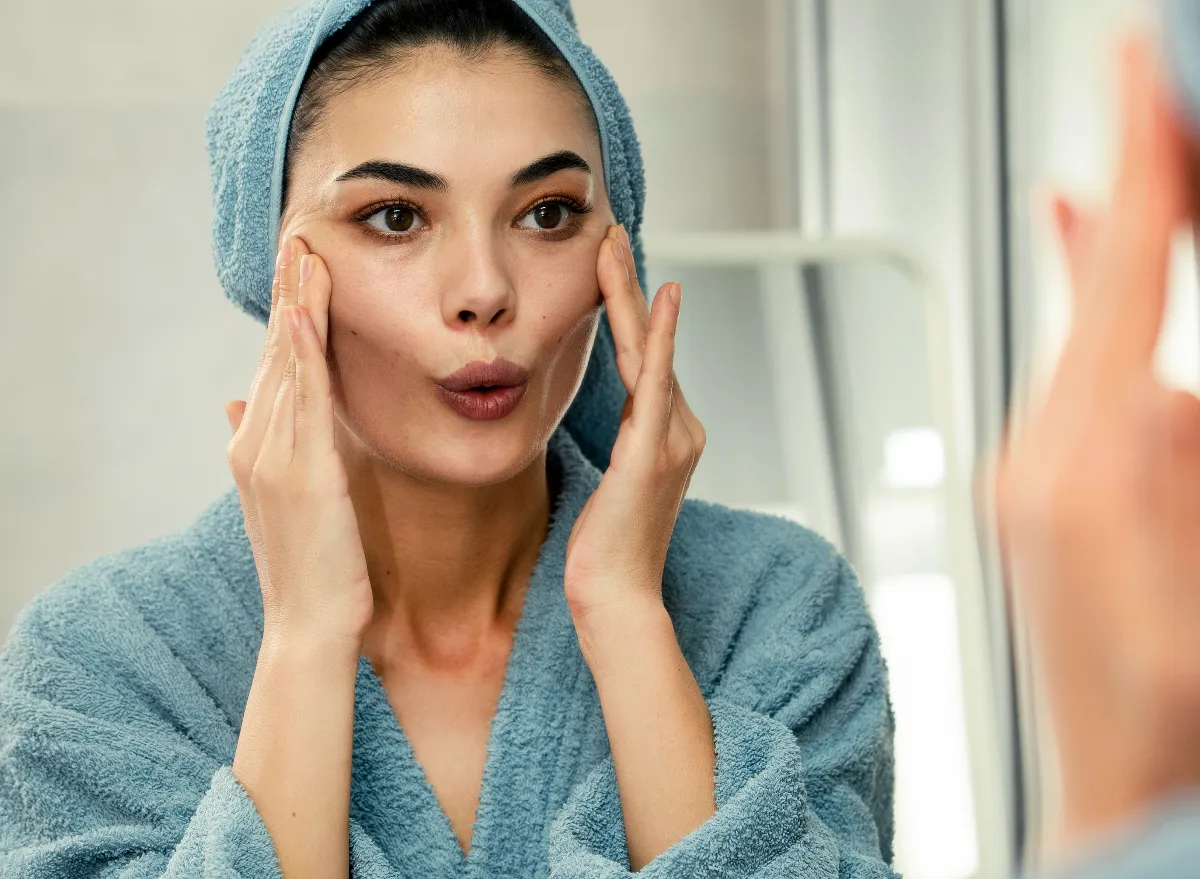
How to Lose Weight in Your Face: Complete Guide to Reducing Facial Fat Naturally

If you wonder How to lose fat in your face It is important for you to know that the ideal way to reduce localized body fat is through eating a balanced diet, doing some physical exercise, drinking water and changing your habits. Face fat reduction is not a targeted area process, but in many cases losing weight all over will cause facial areas to slim down too.

A person can gain fullness in the face due to factors as weight gain, retained water, lack of sleep, poor diet, stress and genetics. Most of us notice puffiness around the cheeks, jawline or chin when we are water retentive or gaining weight.

The silver lining is that with the right healthy lifestyle changes, one can make a great deal of difference in your facial appearance naturally over time. In this guide, you’ll learn about facial fat causes & the safest way to achieve a slimmer face.

What Causes Facial Fat

To choose the right approach to reduce facial fat, knowing the causes of it will help.

The most frequent cause is merely gaining weight. Our body tends to store excess fat in our faces.

Another main cause is water retention. Reasons for puffiness in faceSleeping too much and sleeping non-regular hoursExcessive salt consumptionEating mixed ShakesDrinking alcoholic beveragesDehydrationHot or humid weatherHormonal changes

Face shape and fat distribution is also influenced by genetics. While some people have fuller cheeks or rounder facial features even when they are healthy and of normal weight.

Age can also change the face. With skin losing elasticity as time goes on, fat is redistributed in the body, sometimes leading to a face that looks a bit fuller.

More things that could also factor into having a puffy face or weight gain are poor sleep, stress and inactivity.

In the body part fat burning activity assignment, I will help you to understand Can You Lose Fat Only in Your Face.

While many people want to lose fat only from their face, spot reduction is impossible. The body will slowly shed fat from various regions according to its genes and structure.

So, the most effective way to make your face thinner is losing body fat (in a sustainable manner; e.g.

Usually, as your body fat percentage lowers, your face becomes less fat and more defined.
Long term health and not short term fix is what will proove to be the best: most sustainable results.

Reduce Overall Body Fat

The best way to lose fat in your face is to reduce body fat with diet and exercise.

This occurs when caloric expenditure is greater than caloric intake. This calorie deficit forces the body to utilize stored fat as energy.

While eating healthy and combining it with regular exercise helps to reduce body fat, including face.

Consistent and gradual weight loss is healthier than extreme dieting, and generally produces better long-term results.

Essentially, crash diets can drop the water weight quickly, but they are not sustainable for long term results or your health.

face fat reduce exercise

Improve Your Diet

Another strong point with your facial appearance depends on diet.

Sugary drinks, processed foods and foods high in sodium contribute to increased water retention and bloating. This could cause the face to look more puffy and less sculpted.

If you stick to eating more whole foods, this can both help with fat loss and puffy face. Meals containing veggies, fruits, lean proteins, wholesome fat and complete grains are the areas to focus on.

Foods that are high in protein (eggs, chicken, fish, beans and yogurt) give you a feeling of fullness and maintain muscle during weight loss.

Fibre can also help aid in digestion and maintain appetite control.

Excessive sugar might make you look better by reducing this inflammation.

It provides the foundation not only for weight loss but also for better skin and increased energy levels.

Drink More Water

If you want to reduce puffiness on your face, drinking water is essential.

When water is low, it may hold on to extra water as a protective response. This can cause puffiness in the face.
Adequate hydration from drinking enough water will help maintain the body-fluid(electrolyte) balance, maybe bloom inflammatory response activity and down swelling.

Water also aids in digestion, metabolism and overall health.

Swap sugary drinks with water: Water can be a useful aid in weight loss; having it to replace the sugary beverages that you drink will help cut back on calorie consumption.

This is one of the reasons why many people observe that the face looks less puffy as soon as they work on better hydration habits consistently.

Reduce Salt Intake

Sodium promotes water retention and bloating.

Most processed foods have big amounts of sodium that come from high salt content in frozen pizzas for example, fried fast food dishes, pre-packaged snacks such as chips and nachos and take-out or restaurant-made meal.

If you ate a lot of sodium, your body can release water and there will be better definition in the face.
Preparing meals at home and eating fresh foods can allow you more control over sodium levels.

The most common type of imbalance involves excess sodium (sodium-sensitive hypertension), and balancing the uptake of sodium with potassium rich foods (e.g. bananas, spinach, avocados) may also help with fluid balance.

Exercise Regularly

Burning body fat apart, exercise is very important to our overall health.

Cardio workouts — like walking, jogging, cycling, swimming, and dancing — burn calories and enhance cardiovascular health.

Strength training is also an important component because muscle burns more calories than fat.
Fat loss is best achieved by experimenting with a combination of cardio and resistance training.

Exercise increases blood circulation, even a little bit of exercise can help improve skinexercises also have the ability to decrease puffiness and make your skin look fresh.

Consistency is greater than payoff Seemingly minor daily habits can add up to major change over the long haul.

Facial Exercises and Face Yoga

Facial exercises are occasionally utilized to assist strengthen face muscle tone.

That may include work on the cheeks, jaw exercises, a smiling technique, and stretching your facial muscles.

Though research on facial exercises is relatively scant, some individuals claim that with the help of consistent practice comes enhanced muscle tone and a tighter look to their face.

Face yoga also helps with relaxation and circulation.

But facial exercises may not eliminate a prominent fat without overall weight loss and proper conduct.

Limit Alcohol Consumption

Alcohol dehydrates, causes and fuels inflammation via cytokines, and promotes water retention.

It is also dense in calories and can contribute weight gain when indulged frequently.

When drinking alcohol, a lot of people add facial puffiness up to disturbance of fluid balance in the body.

You should perhaps try drinking less alcohol for the sake of your skin, hydration and general health.

The key to long-term well-being is moderation.

Get Better Sleep

Common sense tells us that sleep affects both body weight and the face.

Sleep deprivation is associated with increased stress hormones and abnormal appetite regulation. This could get you to eat excess and obtain weight.

Lack of sleep could also result in having dark circles, puffy eyes and a fatigued look.

A good 7 to 9 hours of sleep per night aids in recovery, metabolism and balancing hormones.

Quality sleep contributes to the health of both your body and face.

Manage Stress Levels

Diet & Stress — Stress can wreak havoc to a person body and mind, resulting in unhealthy eating habits and obesity.

As an example, when people are stressed they might resort to eating more junk food or sugar treats. Hormones important to stress can also play a role in how fat is stored, which results in water retention.

Stress management through healthy habits can contribute to weight reduction, in addition to improving symptoms related to well being.

Some common natural stress relief techniques include meditation, deep breathing, exercising and being in nature.

There are connections between Mental health and physical health.

Avoid Smoking

Smoker’s Skin Smoking doesn’t just hurt your lungs and heart; it can also damage your skin and blood circulation. It is known to add to premature ageing and loss of elasticity in the skin.

As you age and your skin loses its elasticity, it can have an impact on the shape of your face.

To avoid smoking not only helps skin and blood circulation but also normalizes some functions of our body.

Your long term appearance largely depends on the healthy lifestyle choices.

When do you lose weight in your face?

Results depend on your body composition, genetics, diet and sticking with it consistently.

For optimal hydration, reducing sea salt intake is a critical and basic intervention and many people are seeing positive results less than days after implementing these changes (Note: Sounds weird:-))!

Significant fat loss results may require multiple weeks or months based on the extent of actual weight loss efforts.

Consistency is the key factor. Because sustainable habits get you permanent results.

Short term fixes tend to lead you with immediate temporary changes rather than lasting real change.

The rules of natural cosmetics: healthy habits for lasting results

An ongoing dedication to healthy habits is what keeps a slimmer face.

These components supplement each other — nutrition, exercise, your water intake, how well you sleep and stress management play a mutual role in fat loss and appearance.

Prioritising the entirety of health rather than just the face means improved and longer-lasting outcomes.

The biggest long term transformations are often made up of small daily changes.

Frequently Asked Questions

Is it possible to selectively lose fat from your face

Q: No. Spot reduction rarely works. Reducing facial fat occurs naturally as overall body fat loss.

Does drinking water help reduce face fat

The water is queued here to combat the swelling and weight management system, which may contribute a more favorable appearance of the face.

Do facial exercises work

Your facial exercises may help to increase muscle tone in your face, but can also work only if performed in conjunction with healthy eating and fat loss all over.

Why am I so puffy in the face if I’m not fat?

What Causes Puffiness in the Face Water retention, stress, lack of sleep, diet and even your genes all play a role in facial puffiness.

$1How long to slim your face?

For this reason, you may see noticeable decreases in soreness several days into treatment, but changes to the appearance of fat loss can take several weeks or months.

Is your face fat from salt

Excess sodium can result in water retention, which could lead to a puffy or swollen face.
Can exercise slim your face

Through the process of overall body fat reduction, exercise can also help you achieve a more cut and less round face.

Page Source References

Centers for Disease Control and Prevention. Healthy weight management guidance.
https://www.cdc.gov

Harvard Health Publishing. Diet and weight loss research.
https://www.health.harvard.edu

Mayo Clinic. Healthy lifestyle and weight management advice.
https://www.mayoclinic.org

National Sleep Foundation. Sleep and health information.
https://www.thensf.org

What Is Ayurvedic Medicine: A Complete Guide to Natural Healing and Holistic Health

For others, when you ask what is Ayurvedic medicine — yes, it is one of the oldest medicinal systems ever, healing people since at least 3000 years in India. AYURVEDA IS THE ONLY 5000-YEAR-OLD MEDICAL SCIENCE THAT QUICKLY TEACHES YOU HOW TO BALANCE YOUR ‘BODY-MIND-LIFESTYLE’ FOR A DISEASE-FREE LONG LIFE.

Ayurvedic medicine differs from modern medicine which is mainly focused on symptoms. To bring back balance in the body it uses natural therapies like herbal remedies, diet, daily regimes and mental wellness.

Today, Ayurveda is an approach to complementary medicine that can be found around the world and is especially sought after by those looking for natural, holistic healing methods.

Core Philosophy of Ayurveda

Ayurveda is largely about balance. According to Ayurveda, the human body has three doshas (energies): vata, pitta and kapha.

No two humans have the same body constitution, and keeping balance within this system is important to being healthy. This balance can be disturbed by diet, stress and environmental factors that may lead to illness.

Prevention is as much an aspect of Ayurveda as is treatment. It inspires everyone to develop a habit of healthy routines on the day-to-day basis so chronic diseases can be avoided before they appear.

The Five Elements in Ayurveda

Ayurvedic medicine is built on the concept that everything in the universe includes your body and everything in it, has five basic elements.

These are space, air, fire, water and earth. Well each element serves a function in the body.

Space_refers to openness and expansion in the body. Movement and Breath: Air: It has the association with the movement while also symbolizing breath. Fire — digestion and metabolism Water — Fluid balance, hydration Earth provides structure and stability.

Thus, these combine to create the three dosha (life principles) of Ayurvedic medicine.

ayurvedic images hd

Understanding the Three Doshas

The three doshas: Vata, Pitta and Kapha. Every individual is a unique blend of these energies, and therefore has certain traits—physical and mental.

And Vatta represents movement and is connected to the ether or air. It regulates breathing, circulation and nerve activity. Vata – Those who are Vata dominant tend to have lots of energy, but when out of balance often experience dryness or anxiety.

Pitta is associated with fire and water. Keeps control of digestion, metabolism and body temperature. When Pitta is balanced, digestion and focus are fully supported, but when imbalanced a person will become irritated or inflamed.

Kapha represents earth and water. It gives structure; stability; and strength. While balanced Kapha embraces gentleness and endurance, imbalance leads to lethargy or gain weight.

Ayurveda tries to balance these doshas back with different treatments.

How Ayurvedic Medicine Works

The ancient art of Ayurvedic medicine utilizes natural treatment techniques in order to help restore the balance in our bodies, which is both the first and most fundamental step toward good health. This is approached personally, so treatment methods vary on each individual.

The body type, digestion, lifestyle and mental well-being that practitioners take into account earlier than prescribing are as follows.

Your aim is not only to treat any particular ailment. These benefits include digestion improvement, immune system support, and mental clarity.

Common Ayurvedic Treatments and Therapies

There are many types of treatments associated with Ayurveda and they all deal with natural healing.

This is as simple as using certain herbs in one form or another, which makes herbal medicine one of the most widely practiced methods. Herbs are utilized to improve functions of other organs and restore balance.

Dietary changes are also important. They select foods according to their impact on the doshas and digestive system.

Herb-based oil massage helps increasing circulation, dissolve muscular knots and flush toxins from the body.

You have practices where you detoxify to cleanse your body and all sort of other stuff.

Yoga and meditation are integral aspects of Ayurvedic medicine. They help in balancing the mind and body, reducing stress, and curing overall health.

The Role of Diet in Ayurveda

In Ayurveda, diet plays a central role. Food — food is medicine, it can either help you heal or create imbalance in the body.

Ayurveda recommends fresh, natural and seasonal foods. Ti ise ni i second hand je ki fida lohu.

Eating habits are also important. Ayurvedic practices include eating at specific times, chewing food well and not overeating.

Various foods for each dosha. It could be that cooling foods calm excess Pitta and warm foods balance Vata.

Maintain Strong DigestionDiet plays an important role in our day to day well being.

Daily Routine in Ayurvedic Lifestyle

One of the basic concepts in Ayurvedic medicine is Dinacharya. Routine keeps balance and prevents illness in the body.

This routine helps stimulate the body and mind so that you wake up early, maintain good hygiene, exercise, eat meals on time etc.

Meditation, breathwork and rituals of self care are just some of the suggestions.

Having a daily routine helps with ones physical and mental health.

Benefits of Ayurvedic Medicine

  • The Benefits Of Ayurvedic Medicine For Overall Health Have Lot Many.
  • It encourages natural healing without major dependency on synthetic drugs. Its main emphasis is prevention, so people are able to continue with their wellness for the longer term.
  • For the majority of users, Ayurveda is used to help with digestion, relieving stress levels, immunity and energy boosters.
  • It also helps mental health by promoting mindfulness and relaxation techniques.
  • Ayurveda focuses more on individual health needs since it is individualized.

Ayurveda and Modern Science

Ayurvedic medicine has drawn international attention in modern times. Researchers are examining its uses and efficacy in many fields;

Thus, Ayurveda is not a substitute for conventional medical treatment but can be used as an adjunctive approach.

Integration of Traditional And Modern Methods That Many Health Experts Consider To Be Beneficial.

Ayurvedic treatments should only be undertaken by an experienced practitioner, especially in serious health cases.

Safety and Precautions

Ayurvedic medicine is mostly safe when done properly. Nevertheless, herbal products are not for all people.

Many herbs can interact with medications or have, if misused, side effects. Professional guidance is the key here.

By utilizing quality products and adhering to dosage recommendations, you are able to minimize your risk.

You are only able to receive the benefits if you know your body and use it responsibly.

Common Misconceptions About Ayurveda

Ayurvedic remedies are misunderstood and there is misinformation.

Several people tend to think it works like a wizard, however Ayurveda emphasizes on slowly and gradually healing.

Many consider it just a matter of herbal and supplement therapies however that really is merely 1 area of the approach since a legitimate natural performance medicine practitioner will be concerned about diet, lifestyle, mental health issues.

And there is the common misunderstanding that it replaces modern medicine. As a matter of fact, it is only better when used in combination with traditional therapies.

Grasping these aspects of the individual allows you to achieve a better understanding and thus more realistic future expectations.

When Ayurvedic medicine is for you

Ayurvedic medicine is useful for anyone at any age. This is particularly useful for people looking to boost their health naturally.

Ayurvedic medication is a significant pontoon for individuals managing stretch identified sicknesses, gastrointestinal disarranges or regular sodalities acclimated diet changes and lifestyle changes.

It is also quite popular for people who want to remain healthy and avoid sickness.

Ayurveda aims at holistic balance, hence it is supportive in long-term health goals.

Frequently Asked Questions

What is Ayurvedic medicine for

Ayurvedic medicine is used for most aspects of wellness, naturopathy and reducing stress among other things and balancing the body.

Is Ayurvedic medicine effective

When applied properly and consistently, it actually can be effective in promoting wellness and managing some conditions.

Can Ayurveda cure diseases completely

Ayurveda places emphasis on prevention and balance. May provide treatment but not the only medical option for serious conditions.

Is Ayurveda Treatment for Everyone Safe

While it is comparatively safe, individual requirements may differ. It would be advisable to consult with an appropriate professional.

How long does Ayurveda takes to Work?

Ayurveda expects gradual healing and long lasting balance, thus the results may take time.

Page Source References

World Health Organization. Traditional medicine overview.
https://www.who.int

National Center for Complementary and Integrative Health. Ayurveda information.
https://www.nccih.nih.gov

Ayurvedic Institute. Principles and practices of Ayurveda.
https://www.ayurveda.com

Ministry of AYUSH India. Ayurveda system of medicine.
https://www.ayush.gov.in