

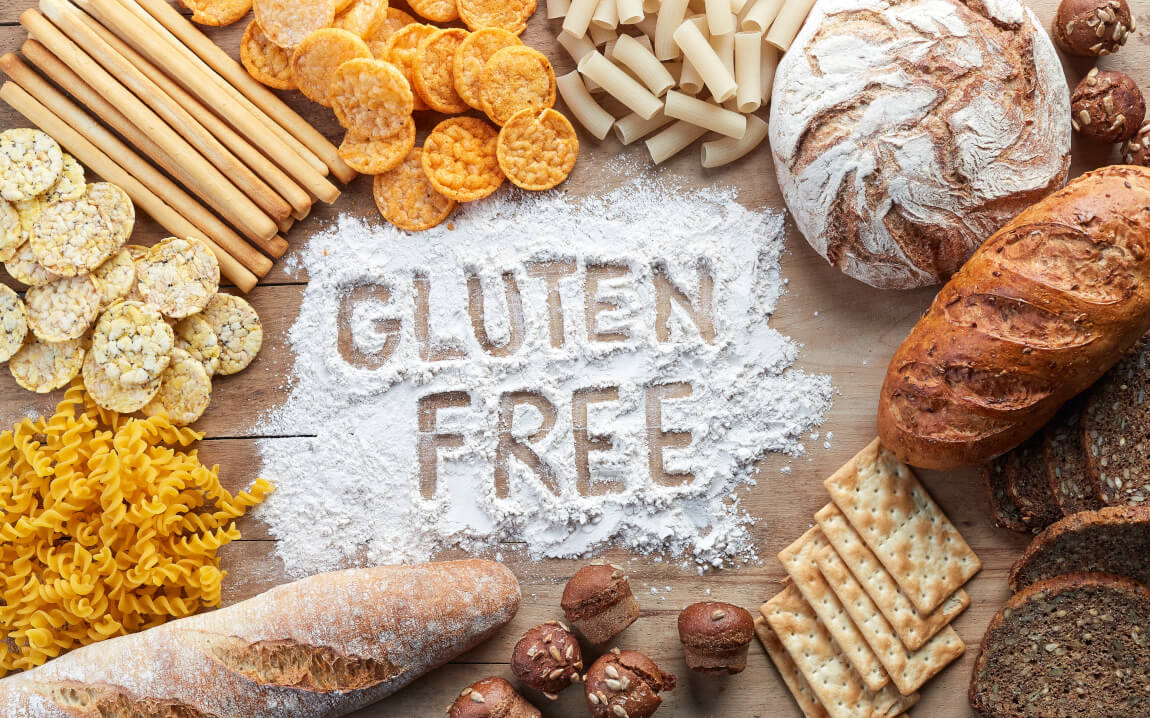
If you have ever wondered what is gluten free, the simple answer is that gluten free refers to foods that do not contain gluten, a group of proteins naturally found in wheat, barley, rye, and their derivatives. A gluten free diet eliminates these grains and foods made from them to help people with certain medical conditions stay healthy.
For individuals with celiac disease, consuming even a small amount of gluten can damage the small intestine and interfere with nutrient absorption. Others may follow a gluten free diet because of non celiac gluten sensitivity or a wheat allergy. However, a gluten free diet is not necessary for everyone and does not automatically make food healthier.
This guide explains what gluten is, who should avoid it, which foods are safe to eat, and how to follow a balanced gluten free lifestyle.
What Is Gluten?
Gluten is a natural protein found in wheat, barley, and rye. It gives dough its elasticity and helps bread maintain its shape during baking.
Common grains that contain gluten include wheat, durum, semolina, spelt, barley, rye, and triticale. Because wheat is widely used in processed foods, gluten can also be found in products where people may not expect it.
Many packaged foods, sauces, soups, dressings, and baked goods contain gluten as an ingredient or thickening agent.
What Does Gluten Free Mean?
A food labeled gluten free contains little to no gluten and meets food labeling standards. In the United States, the Food and Drug Administration requires foods labeled gluten free to contain less than 20 parts per million of gluten.
Many foods are naturally gluten free without requiring special processing. Others are manufactured specifically to replace traditional wheat based products.
Reading ingredient labels remains one of the most important habits for anyone following a gluten free diet.
Who Needs a Gluten Free Diet?
A gluten free diet is medically necessary for certain individuals.
People with celiac disease must completely avoid gluten because their immune system attacks the lining of the small intestine after gluten exposure. Even small amounts can trigger inflammation and long term complications.
Individuals with non celiac gluten sensitivity may experience symptoms such as bloating, abdominal pain, headaches, or fatigue after eating gluten, even though they do not have celiac disease.
People with a wheat allergy react to proteins found in wheat and may also need to avoid wheat containing products depending on medical advice.
For healthy individuals without these conditions, there is currently no strong evidence that eliminating gluten improves overall health.
Naturally Gluten Free Foods
Many nutritious foods are naturally free of gluten.
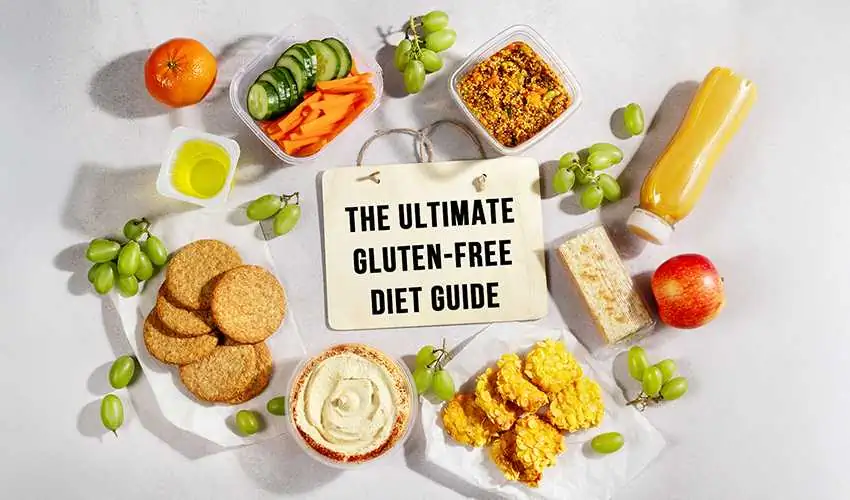
Fresh fruits and vegetables are excellent choices because they contain vitamins, minerals, and antioxidants without gluten.
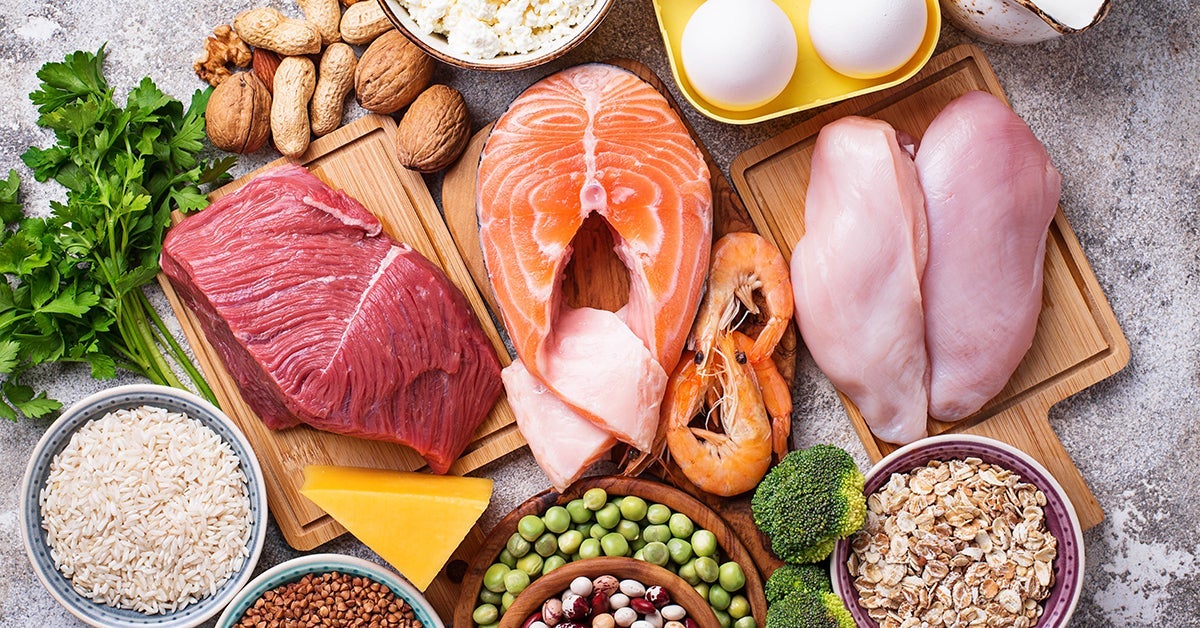
Most fresh meat, poultry, fish, seafood, and eggs are naturally gluten free when prepared without breading or flour coatings.
Rice, quinoa, buckwheat, millet, certified gluten free oats, potatoes, corn, beans, lentils, nuts, and seeds are also suitable for most gluten free diets.
Milk, plain yogurt, and natural cheese are generally gluten free unless additional ingredients have been added.
Foods That Contain Gluten
Knowing which foods contain gluten is just as important as knowing which foods are safe.
Common gluten containing foods include bread, pasta, pizza, cakes, cookies, pastries, breakfast cereals made with wheat, crackers, flour tortillas, beer made from barley, and many processed snack foods.
Gluten can also appear in soy sauce, gravies, salad dressings, soups, processed meats, and seasoning blends.
Always read ingredient labels carefully because recipes and manufacturing processes can change.
Health Benefits of a Gluten Free Diet
For people with celiac disease, following a gluten free diet allows the small intestine to heal, improves nutrient absorption, reduces digestive symptoms, and lowers the risk of long term complications.
People with non celiac gluten sensitivity often report less bloating, abdominal discomfort, and fatigue after removing gluten from their diet.
For individuals without gluten related conditions, current research does not show consistent health benefits from avoiding gluten.
Choosing naturally nutritious foods is more important than simply choosing gluten free processed products.
Common Nutritional Challenges
Some gluten free packaged foods contain less fiber, iron, folate, and B vitamins than traditional whole grain products.
Replacing wheat products with highly processed gluten free snacks may increase sugar and fat intake.
A balanced gluten free diet should include fruits, vegetables, lean protein, healthy fats, legumes, and naturally gluten free whole grains.
Proper meal planning helps prevent nutritional deficiencies.
How to Start a Gluten Free Diet
Begin by removing foods made from wheat, barley, and rye.
Replace traditional bread with certified gluten free bread or naturally gluten free grains such as rice and quinoa.
Cook more meals at home using fresh ingredients to reduce the risk of hidden gluten.
Separate cooking utensils, toasters, and cutting boards if someone in the household has celiac disease to reduce cross contamination.
Regularly read ingredient labels because manufacturers may change recipes without notice.
Common Mistakes to Avoid
Many people assume every gluten free product is healthy. In reality, some gluten free packaged foods contain large amounts of sugar, refined starches, and unhealthy fats.
Ignoring food labels is another common mistake because gluten may appear in unexpected products.
Cross contamination during cooking can also expose sensitive individuals to gluten even when the ingredients themselves are gluten free.
Building meals around naturally gluten free whole foods is usually the healthiest approach.
Can Gluten Free Help With Weight Loss?
A gluten free diet is not a weight loss diet.
Some people lose weight after removing processed foods, while others gain weight because many gluten free packaged products contain extra calories, sugar, or fat.
Weight management depends on total calorie intake, food quality, and physical activity rather than gluten alone.
Frequently Asked Questions
What does gluten free mean?
Gluten free means a food contains little to no gluten and meets food labeling standards designed for individuals who need to avoid gluten.
Is gluten free healthier for everyone?
No. A gluten free diet is medically necessary for some people but does not automatically provide additional health benefits for healthy individuals.
Can you eat rice on a gluten free diet?
Yes. Plain rice is naturally gluten free and is commonly included in gluten free meal plans.
Are oats gluten free?
Oats are naturally gluten free but are often contaminated during processing. Choose certified gluten free oats if you need to avoid gluten.
What happens if someone with celiac disease eats gluten?
Even a small amount of gluten can trigger an immune response that damages the small intestine and causes symptoms.
Page Source References
U.S. Food and Drug Administration. Gluten Free Food Labeling Rule.
https://www.fda.gov/food/nutrition-food-labeling-and-critical-foods/gluten-free-labeling-foods
Celiac Disease Foundation. Understanding Celiac Disease and Gluten Free Diet.
https://celiac.org/
National Institute of Diabetes and Digestive and Kidney Diseases. Celiac Disease Overview.
https://www.niddk.nih.gov/health-information/digestive-diseases/celiac-disease
Academy of Nutrition and Dietetics. Gluten Free Eating Guide.
https://www.eatright.org/health/diseases-and-conditions/celiac-disease


Leave a Reply