What Foods Help Hair Growth: Best Nutrients for Strong and Healthy Hair

So, what foods promote hair growth is basically a healthy nutrient-dense diet that fosters your follicles and scalp health. Hair growth relies on specific proteins, vitamins and minerals that reinforce your hair strands and initiate a healthy cycle of hair growth.

High-protein, iron-studded, vitamin-rich and healthy fat-laden foods can help your hair stay strong, have less breakage and promote faster growth over time. No food can make hair grow in an instant, but good eating habits will help a lot when it comes to the quality and thickness of hair over time.

In this guide, you will learn about the best foods that help with hair growth and how nutrition influences hair health.

Protein, iron, vitamins A and D, zinc, selenium; all these nutrients are necessary for growing healthy hair.

Tresses are primarily made up of a protein known as keratin. Moreover, without adequate amounts of certain nutrients, the body will not produce strong and healthy hair. Nutritional deficiencies can cause hair to thin, slow growth, or fall out.

At that point, hair growth is simply not a priority. Poor diet is one of the most common culprits behind hair health.

Eating balanced meals, in turn, provides the building blocks for a healthier mane.

Hair Strength: Foods Gluten Rich Protein

Protein is the most crucial nutrient for hair growth. It serves as a framework for hair and helps reduce breaking.

High quality protein is found in foods like eggs, chicken, fish and legumes. These foods fortify damaged hair and provide support for new growth.

Daily meals should include protein as it helps in maintaining the strength and thickness of the hair.

Soak the nuts in water for 2-3 hours, then eat them plain.

Iron is crucial for delivering oxygen to hair follicles. Low iron levels can cause hair thinning or hair loss.

Good sources of iron include foods like spinach, lentils and beans as well as red meat. Having these foods in your diet also aids proper blood flow to the scalp.

Combining iron rich foods with vitamin C sources can enhance absorption.

Vitamins That Support Hair Growth

There are multiple vitamins that help improve your hair health. Vitamin A assists in the creation of natural oils to oil up the scalp. Vitamin C aids in collagen production and protects hair from damage.

Vitamin D is important for hair follicle health, while vitamin E improves scalp circulation.

These vitamins are abundant in fruits, vegetables, nuts, and seeds that can help you with healthy hair growth.

Healthy Fats for Hair Shine

Well-balanced oils also help to nourish the scalp and keep hair hydrated as well! They also help overall cell function, including hair cells.

Good fats are found in foods like avocados, nuts, seeds and fatty fish. These nutrients work to enhance the texture of your hair and reduce dryness.

Including Healthy Fats in Your Diet Can Help Shine & Manageability
Biotin and Zinc for Healthy Hair

Biotin is a vitamin as well, and it helps to encourage both the structure of hair and how well hair grows. Zinc is essential for hair follicles and thereby supports tissue repair.

Foods including nuts, seeds, whole grains and bananas supply these nutrients. Taking biotin and zinc in balanced amounts can help strengthen hair and promote growth.

A lack of these nutrients can impact the quality of hair.

Hydration and Hair Health

Stay hydrated: Drinking enough water is important for overall health, and it’s also crucial for hair growth. Hydration is also necessary as it retains moisture in the scalp and aids nutrient transportation within our body.

Dehydration can cause dry and brittle hair. Drinking an adequate amount of water on a daily basis can help you to have healthy hair from within.

A well-known fact is that hydration combined with a balanced diet can help improve hair quality too.

What to Avoid Eating for Healthier Hair Growth

Some foods can also have an adverse impact on hair health when consumed in excess. Fast food, added sugar and unhealthy fats can all lead to inflammation and difficulty absorbing nutrients.

Removing these foods can help restore health and promote an environment for hair growth.

Eat whole and micronutrient dense foods for better outcomes.

Building a Hair Healthy Diet

Another key to Hair Growth is Consistency; Having a diet that nourishes the hair. Eating a diverse selection of nutrient-dense foods will provide your body with the essential vitamins and minerals it needs.

A good balance of proteins, healthy fats, fruits & vegetables and whole grains will help provide the structure that is necessary for healthy hair.

Hair growth takes time, consistency is key.

How Long To See Results

It usually takes time for hair to grow. Most individuals may experience differences in the strength and texture of their hair within a couple of weeks by optimizing their nutrition.

Changes in hair growth can take months because hair grows slowly.

This leads to long term victory by being patient, and continuing to follow the healthy diet.

Diet for Healthy Hair

Frequently Asked Questions
Which food increase the growth of hair

Over time, you need protein rich foods and iron rich foods as well as foods high in vitamins that support hair growth.

Can diet stop hair loss

While maintaining a healthy diet will combat hair loss due to lack of nutrients, other causes of hair fall need medical assistance.

Does bihatin help hair growth

Biotin is important for hair structure and may contribute to stronger hair when consumed as part of a healthy diet.

Does water help hair grow

Similarly, staying hydrated helps to promote scalp health and overall body function, both of which can aid hair growth.

How does food take less time to change hair

You may see visible changes within weeks a few or as long as months for appreciable growth modification.

Page Source References

Harvard Health Publishing. Nutrition and hair health.

https://www.health.harvard.edu

American Academy of Dermatology. Hair loss and nutrition guidance.

https://www.aad.org

National Institutes of Health. Vitamins and minerals for hair health.

https://ods.od.nih.gov

How to Remove Pimples Overnight: Fast and Effective Ways to Reduce Acne

If you are searching for how to remove pimples overnight, the goal is to reduce swelling, redness, and bacteria as quickly as possible. While it may not always be possible to completely eliminate a pimple in one night, the right treatments can significantly shrink it and make it less visible by morning.

Quick results come from using targeted skincare methods such as gentle cleansing, applying acne treatments, reducing inflammation, and avoiding habits that worsen breakouts. Acting early when a pimple first appears gives the best results.

This guide explains simple and effective ways to reduce pimples overnight and prevent future breakouts.

Why Pimples Appear Suddenly

Pimples form when pores become clogged with oil, dead skin cells, and bacteria. Hormonal changes, stress, poor skincare habits, and diet can all contribute to breakouts.

When bacteria grow inside clogged pores, the body responds with inflammation. This leads to redness, swelling, and the visible pimple.

Understanding the cause helps you treat pimples more effectively.

Cleanse Your Face Properly

The first step is to gently cleanse your face to remove dirt, oil, and impurities. Use a mild cleanser that does not strip the skin of its natural oils.

Avoid scrubbing too hard because it can irritate the skin and make the pimple worse. Use lukewarm water and pat your skin dry with a clean towel.

Keeping the skin clean helps reduce bacteria and supports healing.

Apply a Spot Treatment

Using a targeted spot treatment can help reduce pimples quickly. Ingredients such as benzoyl peroxide or salicylic acid are commonly used to fight acne.

These ingredients help kill bacteria, reduce oil, and unclog pores. Apply a small amount directly to the pimple before going to bed.

Overusing strong treatments may cause dryness, so use them carefully.

Use Ice to Reduce Swelling

Applying ice to the affected area can help reduce redness and swelling. Wrap ice in a clean cloth and apply it gently to the pimple for a few minutes.

This method helps calm inflammation and may make the pimple appear smaller.

Do not apply ice directly to the skin without protection, as it may cause irritation.

Try Natural Remedies

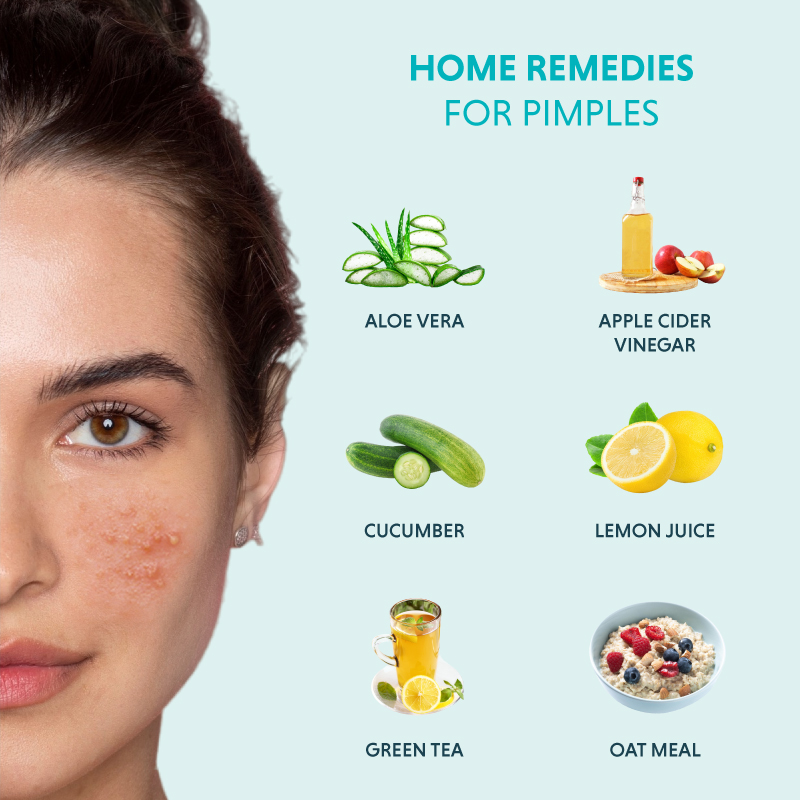
Some natural remedies may help soothe the skin and reduce pimples overnight.

Tea tree oil has antibacterial properties that may help reduce acne causing bacteria. Apply a small diluted amount to the pimple.

Aloe vera can help calm irritation and support healing. Applying a thin layer may reduce redness and swelling.

Honey has natural soothing properties and may help keep the skin moisturized while reducing inflammation.

Always test natural remedies on a small area before full use.

Avoid Touching or Popping Pimples

It can be tempting to squeeze a pimple, but doing so can worsen inflammation and increase the risk of scarring.

Touching your face frequently may also transfer bacteria and oils to the skin.

Leaving the pimple alone allows it to heal naturally and reduces the chance of long term marks.

Use a Clean Pillowcase

Your pillowcase can collect oil, dirt, and bacteria that may worsen acne. Changing your pillowcase regularly helps keep your skin clean.

Sleeping on a clean surface reduces the chance of further irritation and supports overnight healing.

Keep Your Skin Hydrated

Moisturizing is important even if you have acne. Dry skin may produce more oil, which can worsen breakouts.

Use a lightweight, non greasy moisturizer to keep your skin balanced. Hydrated skin heals more effectively.

Avoid heavy products that may clog pores.

Maintain a Healthy Routine

While overnight treatments can reduce pimples quickly, long term results come from consistent skincare habits.

Regular cleansing, balanced diet, proper hydration, and stress management all contribute to clearer skin.

Building a simple routine helps prevent future breakouts.

What to Expect Overnight

Most pimples will not completely disappear overnight, but they can become less swollen, less red, and less noticeable.

Early treatment improves results. The sooner you apply the right care, the faster the pimple may shrink.

Patience and consistency are important for long term skin improvement.

Frequently Asked Questions

Can pimples really go away overnight

Pimples may not fully disappear overnight, but treatments can reduce their size, redness, and inflammation.

What is the fastest way to shrink a pimple

Using a spot treatment with active ingredients and applying ice can help reduce swelling quickly.

Is it safe to pop a pimple

Popping pimples can cause infection and scarring, so it is generally not recommended.

Do natural remedies work for pimples

Some natural remedies may help reduce inflammation, but results can vary depending on skin type.

How can I prevent pimples from coming back

Maintaining a consistent skincare routine, eating balanced meals, and avoiding pore clogging products can help prevent breakouts.

Page Source References

American Academy of Dermatology. Acne treatment and skin care tips.
https://www.aad.org/public/diseases/acne

National Health Service. Acne treatment and prevention.
https://www.nhs.uk/conditions/acne

How to Become Pretty Naturally: Simple Habits That Improve Your Appearance

Many people search for how to become pretty because they want to improve their appearance and feel more confident. The truth is that beauty is not only about genetics or makeup. It often comes from healthy habits, self care, grooming, and confidence. When you take care of your body and mind, your natural beauty becomes more noticeable.

Becoming prettier does not mean changing who you are. Instead, it means improving the way you care for your skin, hair, health, and lifestyle. Small daily habits can make a significant difference over time.

This guide explains practical ways to enhance your natural beauty while building long term confidence.

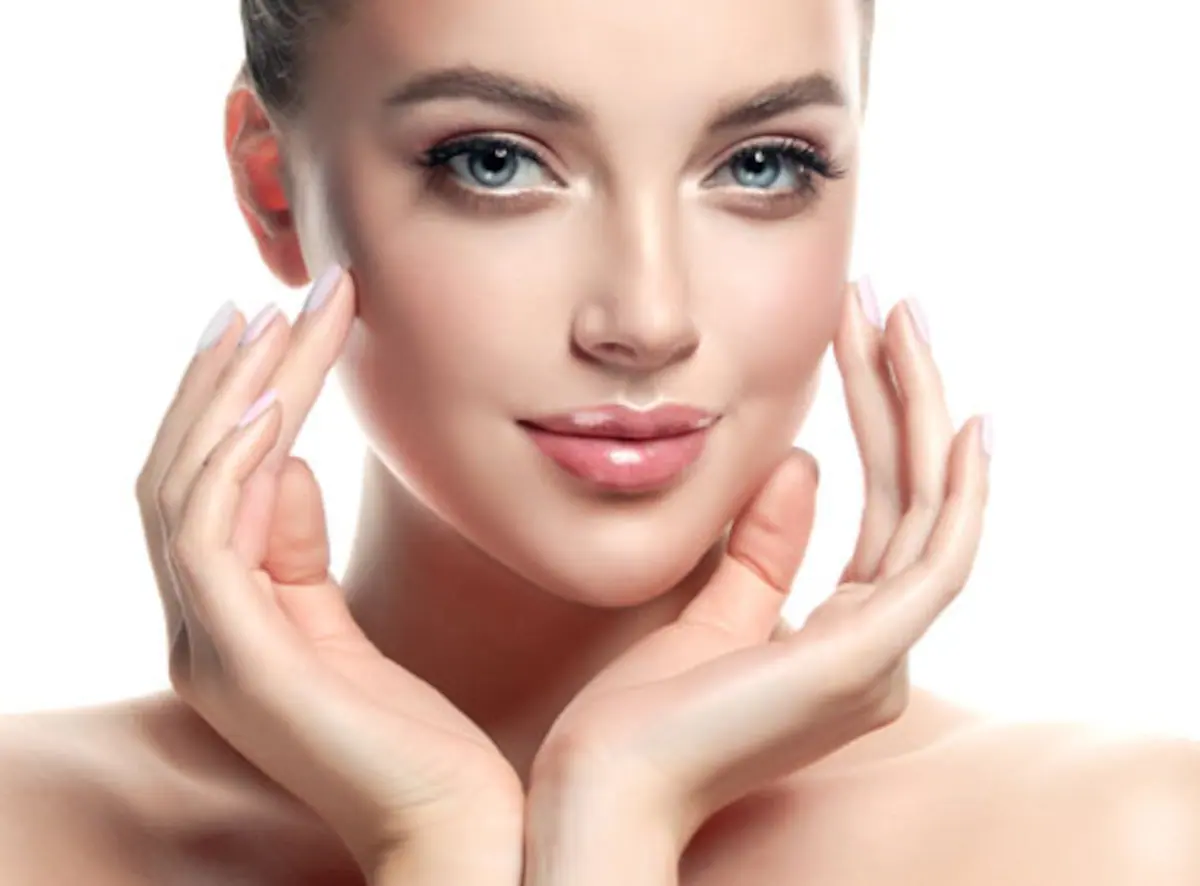
Healthy Skin

Understanding What Makes Someone Look Pretty

Beauty is often connected to signs of health and well being. Clear skin, bright eyes, healthy hair, and confident posture are commonly associated with attractiveness. These qualities usually develop from consistent self care rather than expensive beauty treatments.

People who maintain a healthy lifestyle often appear more energetic and confident. Confidence itself plays a major role in how others perceive attractiveness.

The goal is not perfection. The goal is improving your natural appearance while maintaining a healthy lifestyle.

Build a Simple Skincare Routine

Healthy skin is one of the most noticeable aspects of beauty. A consistent skincare routine can improve your complexion and help your skin look fresh and radiant.

Start by washing your face twice daily with a gentle cleanser. Cleansing removes dirt, oil, and impurities that can clog pores and dull the skin. After cleansing, apply a moisturizer to keep your skin hydrated.

Hydration helps maintain the skin barrier and prevents dryness. Even people with oily skin benefit from moisturizing because dehydration can cause the skin to produce more oil.

Using sunscreen daily is also important. Sun exposure can lead to early aging, uneven skin tone, and dark spots. Protecting your skin from ultraviolet rays helps maintain a smooth and youthful appearance.

A simple routine followed consistently often works better than complicated routines with too many products.

Focus on Personal Hygiene

Good hygiene contributes greatly to looking polished and attractive. Simple habits can make a noticeable difference in how you present yourself.

Regular showers keep the body clean and fresh. Washing your hair regularly prevents buildup and keeps it looking healthy. Clean nails and neat grooming help maintain a well cared for appearance.

Oral hygiene is equally important. Brushing and flossing daily keep teeth healthy and support a confident smile. A bright smile can instantly improve how attractive a person appears.

These habits may seem basic, but they create a strong foundation for natural beauty.

Maintain Healthy Hair

Hair plays a major role in framing the face and enhancing overall appearance. Healthy hair often looks shiny, smooth, and manageable.

Choosing a hairstyle that suits your face shape can make a noticeable difference. Regular hair trimming helps remove split ends and keeps hair looking neat.

Using gentle hair products and avoiding excessive heat styling can protect hair from damage. Deep conditioning treatments may help restore moisture if hair becomes dry or brittle.

Healthy hair often reflects overall self care and contributes to a polished look.

Eat a Balanced and Nutritious Diet

Your diet directly affects your skin, hair, and overall appearance. Foods rich in vitamins and minerals support healthy skin and strong hair.

Fruits and vegetables provide antioxidants that help protect the skin from environmental stress. Lean proteins support tissue repair and help maintain muscle tone. Healthy fats such as those found in nuts, seeds, and fish help maintain skin elasticity.

Drinking enough water also supports hydration and helps maintain healthy skin.

Highly processed foods and excessive sugar may contribute to dull skin and breakouts for some individuals. Choosing balanced meals supports both health and appearance.

Improve Your Posture

Posture can instantly change how a person looks. Standing and sitting upright creates a more confident and attractive appearance.

Good posture also improves breathing and reduces strain on the spine and muscles. Practicing posture awareness during daily activities can gradually improve body alignment.

People who maintain good posture often appear more confident and self assured.

Choose Clothing That Fits Well

Clothing that fits properly can improve your appearance immediately. Well fitted clothes highlight your natural shape and create a more balanced look.

You do not need expensive fashion to look attractive. Clean, comfortable clothing that suits your style often works best.

Neutral colors and simple designs can create a polished appearance. When you feel comfortable in your clothing, your confidence naturally improves.

Develop Confidence

Confidence plays a major role in attractiveness. People who feel comfortable with themselves often appear more appealing to others.

Confidence develops gradually through self acceptance and personal growth. Practicing positive self talk can help improve how you see yourself.

Avoid constantly comparing yourself to others. Everyone has unique features and strengths. Focusing on your own growth allows your confidence to develop naturally.

Smiling more often also helps create a friendly and attractive presence.

Get Enough Sleep

Sleep is essential for both health and appearance. Lack of sleep can cause dark circles, dull skin, and fatigue.

Most adults need seven to nine hours of sleep per night. During sleep, the body repairs tissues and supports skin regeneration.

Maintaining a consistent sleep schedule helps improve energy levels and overall well being.

Quality sleep often leads to healthier skin and a more refreshed appearance.

Exercise Regularly

Physical activity supports both health and natural beauty. Exercise improves circulation, which helps deliver oxygen and nutrients to the skin.

Regular exercise can improve posture, increase energy levels, and support healthy body composition. Activities such as walking, yoga, or strength training can all contribute to improved well being.

Exercise also releases endorphins, which can improve mood and confidence.

Even moderate activity performed consistently can make a difference.

Practice Self Care

Self care helps maintain emotional and physical balance. Taking time for relaxation, hobbies, and activities you enjoy can reduce stress.

Stress can affect the skin and overall appearance. Managing stress helps maintain a calm and confident mindset.

Simple practices such as meditation, journaling, or spending time outdoors can support mental well being.

When people feel relaxed and positive, their natural beauty often becomes more visible.

Avoid Unrealistic Beauty Standards

Social media often promotes unrealistic beauty standards that can create unnecessary pressure. Many images online are edited or filtered.

Real beauty comes in many forms and is influenced by personality, confidence, and authenticity.

Instead of chasing perfection, focus on healthy habits and self acceptance. Improving your lifestyle can enhance your appearance while supporting your overall well being.

Build Long Term Habits

Becoming prettier is not about quick transformations. It is about consistent habits that support health and confidence.

Daily skincare, balanced nutrition, regular exercise, and positive self care routines can gradually improve how you look and feel.

Small improvements made consistently often produce noticeable results over time.

The goal is not to change your identity but to enhance your natural features while building confidence.

Frequently Asked Questions

Can anyone become prettier naturally?

Yes. Improving skincare, grooming habits, posture, and lifestyle can enhance natural beauty for most people.

Does drinking water improve appearance?

Hydration supports overall health and may help maintain skin moisture and elasticity.

How long does it take to look more attractive?

Many people notice improvements within a few weeks when consistent healthy habits are followed.

Is makeup necessary to look pretty?

Makeup can enhance features, but healthy skin, grooming, and confidence are more important for natural beauty.

Can exercise improve appearance?

Yes. Exercise improves circulation, posture, and overall health, which can contribute to a more energetic and attractive appearance.