How Do I Lose Weight Quickly: Safe and Effective Ways to Burn Fat Fast

If your question is how do I lose weight quickly, best approach would be to practice balanced eating followed by frequent exercising with the right habits in place that generates a calorie deficit. You can certainly achieve fast weight loss, but it should be done with your safety in mind, so that you don’t end up negatively impacting your health.

It’s not about rapid weight loss, it’s slow fat loss whilst retaining muscle and health. You’ll see results quickly from making small, consistent changes to your daily routine.

This guide provides comprehensive information on fast weight loss and how to do it safely and effectively.

Key Things to Grasp about Weight Loss

Weight loss occurs when you burn more calories than you take in. This is what is called a calorie deficit. When your body doesn’t receive enough calories from food, it uses stored fat to create energy.

Establishing a moderate calorie deficit through diet and exercise is the best way to lose weight.

Overly restrictive dieting may result in short term success but can ultimately backfire and damage your health.

Focus on a Balanced Diet

In this article you will find out about Which foods to eat for weight loss quicker. A balanced, whole-food diet can help make you feel full during the day and encourage fat loss.
Include protein-rich foods like eggs, chicken, fish, beans and yogurt. Protein keeps you satiated and aids muscle preservation.

Include a variety of vegetables and fruits in your meals for fiber and nutrients. These types of foods help in regulating appetite and improve digestive system.

Minimizing processed foods, sugary drinks and excess refined carbohydrates can reduce calorie consumption.

Increase Physical Activity

Physical activity is a key way to expel calories and improve fitness. Cardio and Strength Training Can Actually Help You Lose Weight Faster.

Activities like walking, running, cycling and swimming burn calories. Weight training builds muscle mass and raises metabolism.

Regular physical activity improves energy levels and mood as well.

Even minor changes in daily activity can have an impact.

Drink Enough Water

Water is important for weight loss. Drinking water helps prevent hunger and aids in metabolism. Drinking water before meals has also been shown to reduce calorie intake and make people feel fuller.

Avoiding sugary beverages in favor of water can cut hundreds of calories from daily intake. Drinking enough water promotes overall health and allows the body to operate as it should.

Improve Your Eating Habits

Easy adjustments to your diet can help you lose weight sooner. When you eat slowly, your body gets a chance to register satiety and prevents overeating.

Another key component is portion control. Being mindful of the food portions you are taking can control your calorie consumption.

Planning meals ahead of you can help decrease the likelihood of unhealthy options.
Having regular eating habits promotes long-term success.

Lose Weight Quickly

Get Enough Sleep

Sleep is an important piece of managing your weight. Not getting enough sleep can disrupt hormones that regulate hunger and appetite.

Those who are sleep deprived may experience increased feelings of hunger leading to the consumption of more calories.

Sleeping seven to nine hours per night promotes healthy weight loss and wellbeing.

Healthy sleeping patterns also energize you for daily activities.

Manage Stress Levels

Stress can also trigger emotional eating and poor food choices. It might also impact hormone levels that drive weight gain.

Techniques like deep breathing, meditation and routine exercise may relieve stress.

Handling stress promotes better decision making and healthier habits.

Avoid Crash Diets

Crash diets promise patients quick weight loss, but they often result in muscle loss and nutrient deficiencies. They are hard to adhere to and can lead to weight regain.

Enduring weight loss only comes from a healthy and nutritious diet paired with steady habits.

A realistic process keeps results sustainable long term.

Track Your Progress

Focus on Progress Tracking to keep you Motivated. Monitoring your weight, what you eat and how much exercise you get can also offer helpful insights.

Little advancements across time will accumulate for large outcomes.

Tinker with your plan according to progress keeps weight loss at a constant pace.

What Results Can You Expect

The speed of weight loss is different for everyone. When you commit to consistent habits, many will notice changes within weeks.

Healthy weight loss tends to be slow, even if results come quickly at first.

The longer one can practice this truth, the better the results.

Frequently Asked Questions

Quickest Safe Weight Loss

Safe weight loss is usually between one and two pounds a week, although you may see quicker results at first.

Did you lose weight without exercise

And yes, diet has a huge impact, but adding exercise allows for better results and overall health.

Best diet for rapid weight loss

Eating a balanced diet filled with protein, vegetables and whole foods is essential for sustainable weight loss.

Water For Weight Loss: Does It Help?

Yes. Drinking water can control appetite and decrease calories consumed.

Why am I not losing weight quickly enough.

Calorie intake, activity level, sleep and stress can all have an impact on weight loss progress.

Page Source References

Centers for Disease Control and Prevention. Healthy weight loss guidelines.
https://www.cdc.gov

Harvard Health Publishing. Diet and weight management research.
https://www.health.harvard.edu

Mayo Clinic. Weight loss strategies and health advice.
https://www.mayoclinic.org

When Is the Best Time to Exercise: Morning vs Evening Workouts Explained

Many people wonder when is the best time to exercise to get the most benefits from their workouts. The truth is that the best time to exercise depends on your personal schedule, energy levels, and fitness goals. Some people perform better in the morning, while others feel stronger and more energetic later in the day.

Research suggests that regular exercise is more important than the specific time of day. Whether you choose morning, afternoon, or evening workouts, consistency is the key factor that determines long term health and fitness results.

Understanding how different workout times affect your body can help you choose the schedule that works best for you.

Benefits of Exercising in the Morning

Morning workouts are popular because they help people start the day with energy and focus. Exercising early can improve mood and increase alertness throughout the day.

Many people find it easier to maintain a consistent routine when they exercise in the morning before daily responsibilities begin. Morning workouts may also help boost metabolism and encourage healthier choices throughout the day.

Another advantage is that gyms and parks are often less crowded in the early hours, allowing for a more relaxed workout environment.

Morning exercise can also help regulate sleep patterns when performed consistently.

Advantages of Afternoon Workouts

For some individuals, the afternoon can be an ideal time for physical activity. Body temperature tends to rise during the day, which may improve muscle flexibility and strength.

This natural increase in body temperature may help reduce the risk of injury and allow the body to perform more efficiently during workouts.

Afternoon workouts can also serve as a productive break from work or daily tasks, helping reduce stress and improve concentration.

People who struggle with early mornings may find afternoon exercise easier to maintain as part of their routine.

Why Evening Workouts Work for Many People

Evening workouts are often preferred by people who feel more energetic later in the day. After eating several meals and moving throughout the day, the body may feel stronger and more prepared for intense physical activity.

Strength and endurance levels may be higher during the evening for some individuals. This can make evening workouts particularly effective for strength training and high intensity exercise.

For many people, exercising after work provides a way to release stress and transition into relaxation at the end of the day.

However, intense workouts very close to bedtime may make it harder for some individuals to fall asleep.

How Your Fitness Goals Affect Workout Timing

Your personal fitness goals may influence the best time to exercise.

People who want to improve consistency and build a daily routine often benefit from morning workouts. Exercising early reduces the chance that other responsibilities will interfere with training.

Individuals focused on strength training or high intensity workouts may perform better in the afternoon or evening when the body is fully awake and warmed up.

Those who exercise primarily for stress relief or relaxation may prefer evening workouts because they help release tension accumulated during the day.

Ultimately, the most effective workout schedule is the one you can maintain regularly.

Exercise

The Role of Consistency in Fitness Results

While timing can influence performance, consistency has a much greater impact on long term results. Exercising at the same time each day can help build a stable routine.

When exercise becomes a regular habit, it is easier to maintain motivation and discipline.

Consistency also helps the body adapt to physical activity. Over time, regular workouts improve cardiovascular health, muscle strength, and overall endurance.

Even short workouts performed regularly can provide meaningful health benefits.

Listening to Your Body

Each person has a natural daily rhythm that affects energy levels and physical performance. Some people naturally feel more alert in the morning, while others feel stronger later in the day.

Paying attention to how your body responds to different workout times can help you determine the most comfortable schedule.

If you feel tired and unmotivated during morning workouts but energetic in the evening, adjusting your schedule may improve your consistency and enjoyment.

The best workout time is one that fits your lifestyle and supports long term habits.

Tips for Choosing the Best Time to Exercise

When deciding when to exercise, consider your work schedule, sleep patterns, and daily responsibilities. Choose a time that allows you to focus on your workout without feeling rushed.

Start with a schedule that feels realistic and gradually build your routine. Over time, exercise can become a natural part of your daily life.

It may also be helpful to prepare your workout clothes or plan your exercise session in advance. Planning ahead reduces the chance of skipping workouts.

Finding a time that feels comfortable and sustainable will help maintain long term fitness progress.

Health Benefits of Regular Exercise

Regardless of the time of day, regular physical activity provides many health benefits. Exercise supports heart health, improves circulation, and strengthens muscles.

Physical activity also helps manage body weight and improves mental well being. Many people experience reduced stress and improved mood after exercising.

Exercise can also improve sleep quality and increase overall energy levels.

The most important factor is maintaining a consistent routine that supports both physical and mental health.

Frequently Asked Questions

Is it better to exercise in the morning or evening

Both morning and evening workouts offer benefits. The best option depends on your personal schedule, energy levels, and fitness goals.

Can morning exercise help with weight loss

Morning workouts may help build a consistent routine, which can support weight management when combined with healthy eating habits.

Is evening exercise bad for sleep

Moderate evening exercise is generally safe. However, very intense workouts immediately before bedtime may affect sleep for some people.

How long should a workout be

Many health experts recommend at least 150 minutes of moderate physical activity each week, which can be divided into several shorter sessions.

What is the most important factor for exercise success

Consistency is the most important factor. Regular workouts over time provide greater benefits than occasional intense exercise.

How to Build Abs: Effective Exercises, Diet, and Habits for Strong Core Muscles

Many people search for how to build abs because they want a stronger core and a more defined midsection. Building abdominal muscles is not only about appearance. Strong abs support posture, balance, and overall physical strength. However, developing visible abdominal muscles requires a combination of exercise, proper nutrition, and consistent lifestyle habits.

The abdominal muscles become stronger through targeted exercises, but they become visible when body fat levels are reduced. This means that both strength training and healthy eating play an important role in developing abs.

This guide explains how to build abdominal muscles safely and effectively while improving overall fitness.

Understanding the Abdominal Muscles

The abdominal region consists of several muscle groups that work together to support the spine and stabilize the body. The main abdominal muscles include the rectus abdominis, which runs vertically along the front of the stomach, and the obliques, which are located along the sides of the torso.

These muscles help with movements such as bending, twisting, and maintaining balance during physical activities. Strengthening these muscles improves functional fitness and reduces the risk of injury.

Building abs involves training these muscles while also reducing excess body fat so the muscles become more visible.

The Importance of Reducing Body Fat

Even if your abdominal muscles are strong, they may not be visible if they are covered by body fat. This is why many fitness experts emphasize the role of nutrition and overall fat loss when working toward defined abs.

Creating a slight calorie deficit through balanced eating and regular exercise can gradually reduce body fat. As body fat decreases, the abdominal muscles become more visible.

Healthy weight management combined with strength training is usually the most effective approach.

Best Exercises for Building Abs

Abdominal exercises help strengthen the core muscles and improve muscle definition. Consistent training is necessary to see progress.

Plank exercises are widely recommended because they activate multiple core muscles at the same time. Holding a plank position strengthens the entire core while improving stability.

Crunches are another common exercise that targets the front abdominal muscles. Performing controlled crunch movements helps develop strength in the rectus abdominis.

Leg raises are effective for strengthening the lower portion of the abdominal muscles. This exercise requires lifting the legs while keeping the core engaged.

Bicycle movements also engage the oblique muscles on the sides of the abdomen. These movements combine twisting and lifting actions that activate several muscle groups simultaneously.

Performing these exercises two to four times per week can help build core strength over time.

Include Full Body Strength Training

While abdominal exercises are important, full body workouts also contribute to stronger abs. Exercises such as squats, deadlifts, and pushups require the core muscles to stabilize the body.

These compound movements engage multiple muscle groups and increase overall strength. They also burn more calories, which supports fat loss and improves muscle definition.

Combining core exercises with full body strength training often produces better results than focusing on abs alone.

Follow a Balanced Diet

Nutrition plays a major role in revealing abdominal muscles. Eating balanced meals helps support muscle development while controlling body fat.

Protein rich foods such as eggs, fish, poultry, beans, and yogurt support muscle growth and recovery after workouts. Whole grains provide energy for exercise, while fruits and vegetables supply essential vitamins and antioxidants.

Healthy fats from foods such as nuts, seeds, and avocados support hormone balance and overall health.

Limiting processed foods and excessive sugar may help reduce unnecessary calorie intake and support fat loss.

Stay Consistent With Exercise

Consistency is one of the most important factors when building abs. Many people expect quick results, but developing muscle and reducing body fat takes time.

Following a regular exercise schedule helps build strength gradually. Most people begin noticing improvements in core strength within a few weeks, while visible abdominal definition may take longer depending on body composition.

Patience and consistency are key to long term results.

Improve Posture and Core Engagement

Practicing good posture during daily activities can also help strengthen the core muscles. When you stand or sit upright, the abdominal muscles remain slightly engaged to support the spine.

Simple habits such as maintaining proper posture while walking or sitting at a desk can contribute to stronger core muscles over time.

Engaging the core during workouts and daily movements helps reinforce muscle activation.

Get Enough Rest and Recovery

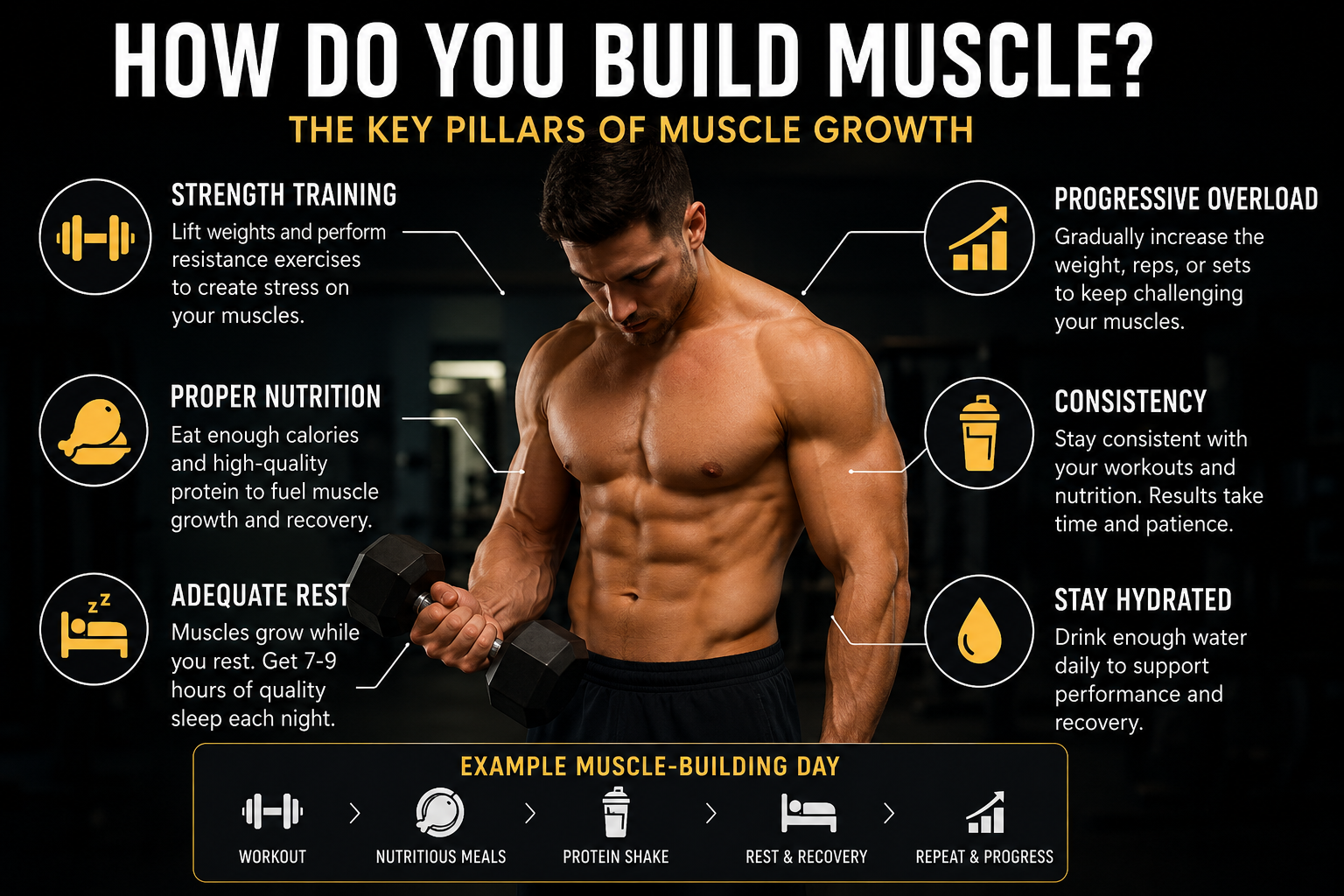
Muscles grow and repair during periods of rest. Without proper recovery, progress may slow down and the risk of injury may increase.

Getting adequate sleep each night helps support muscle repair and hormone balance. Rest days between intense workouts allow the muscles to recover and become stronger.

Balancing exercise with recovery is important for long term fitness progress.

Common Mistakes When Trying to Build Abs

One common mistake is focusing only on abdominal exercises while ignoring overall body fat levels. Without proper nutrition and fat loss, abdominal muscles may remain hidden.

Another mistake is expecting quick results. Visible abs often require consistent effort over several months.

Overtraining the core muscles without proper recovery can also lead to fatigue and injury. Balanced training with rest days helps prevent these problems.

Build Abs

Long Term Benefits of Strong Abs

Developing strong abdominal muscles provides several benefits beyond appearance. A strong core improves posture, supports spinal health, and enhances balance.

Athletes and active individuals rely on core strength for many movements such as lifting, running, and jumping. Strong abs also help stabilize the body during everyday activities.

Building core strength can therefore improve both fitness performance and daily comfort.

Frequently Asked Questions

How long does it take to build abs

The timeline varies for each person. Core strength can improve within a few weeks, but visible abs usually require consistent exercise and body fat reduction over several months.

Can you build abs without going to the gym

Yes. Many core exercises such as planks, crunches, and leg raises can be performed at home without equipment.

Do ab exercises burn belly fat

Ab exercises strengthen the muscles but do not directly burn fat in one area. Overall fat loss through diet and exercise helps reveal abdominal muscles.

How often should you train your abs

Training the core two to four times per week is usually effective for building strength while allowing proper recovery.

Does diet affect abdominal muscles

Yes. Balanced nutrition helps reduce body fat and supports muscle development, both of which are necessary for visible abs.

How Do You Get Skinny: Healthy and Natural Ways to Lose Weight

Many people search for how do you get skinny because they want to lose weight, feel healthier, and improve their appearance. The safest and most effective way to become slimmer is by building healthy habits that support long term weight management. Quick diets or extreme restrictions may cause temporary weight loss, but they often lead to weight gain later.

Getting skinny in a healthy way involves eating balanced meals, staying physically active, improving sleep quality, and maintaining consistency. When these habits become part of your daily routine, your body gradually loses excess fat while maintaining strength and energy.

This guide explains practical strategies that help you become slimmer naturally while protecting your health.

Understanding Healthy Weight Loss

Before trying to get skinny, it is important to understand how weight loss works. Your body stores excess energy as fat when you consume more calories than you burn. When you burn more calories than you eat, your body begins using stored fat for energy.

Healthy weight loss usually happens gradually. Most health experts recommend losing about one to two pounds per week. This rate allows the body to adjust and helps prevent muscle loss.

Slow and steady progress often leads to better long term results compared with extreme dieting.

Focus on a Balanced Diet

Food plays the biggest role in weight management. A balanced diet provides the nutrients your body needs while helping control calorie intake.

Eating more whole foods can support healthy weight loss. Fruits and vegetables provide fiber and vitamins that support digestion and overall health. Lean protein sources such as chicken, fish, eggs, and legumes help maintain muscle and keep you feeling full for longer periods.

Whole grains such as brown rice, oats, and whole wheat products provide energy and help stabilize blood sugar levels.

Reducing highly processed foods, sugary drinks, and excessive snacks can help lower calorie intake naturally.

Portion awareness is also important. Even healthy foods can contribute to weight gain if eaten in very large amounts.

loss weight

Increase Physical Activity

Exercise helps your body burn calories and supports fat loss. Regular physical activity also improves cardiovascular health, mood, and energy levels.

Many people believe intense workouts are required for weight loss, but consistent moderate activity can be very effective. Walking, jogging, cycling, swimming, and strength training all help increase daily calorie burn.

Strength training is especially helpful because it helps build muscle. Muscle tissue burns more calories than fat even when the body is resting.

Combining cardio activities with resistance exercises often produces the best results for body composition.

Drink More Water

Water supports metabolism and helps maintain proper body function. Drinking water before meals may also help reduce overeating because it creates a feeling of fullness.

Replacing sugary beverages with water can significantly reduce daily calorie intake. Many soft drinks and sweetened beverages contain large amounts of sugar that contribute to weight gain.

Staying hydrated also supports digestion and helps the body remove waste effectively.

Improve Sleep Quality

Sleep is often overlooked when discussing weight loss, but it plays an important role in body weight regulation. Lack of sleep can disrupt hormones that control hunger and appetite.

When people do not sleep enough, they may feel hungrier and crave high calorie foods. Poor sleep can also reduce energy levels, making exercise more difficult.

Most adults need seven to nine hours of sleep each night. Maintaining a consistent sleep schedule supports both health and weight management.

Manage Stress Levels

Chronic stress can contribute to weight gain in several ways. Stress hormones may increase appetite and encourage the body to store fat, particularly around the abdominal area.

Stress can also lead to emotional eating, where people consume food as a way to cope with difficult feelings.

Managing stress through relaxation techniques, exercise, hobbies, or mindfulness practices can support healthier eating patterns.

When stress levels are controlled, it becomes easier to maintain healthy habits.

Build Consistent Habits

One of the most important factors in becoming slimmer is consistency. Many people start diets with strong motivation but struggle to maintain them for long periods.

Instead of following strict short term plans, focus on building sustainable habits. Small changes repeated daily can lead to significant results over time.

For example, walking every day, cooking more meals at home, and choosing healthier snacks can gradually reduce body fat.

Long term habits are more effective than temporary diets.

Avoid Extreme Diets

Extreme dieting may promise rapid results, but it can harm your health and slow your metabolism. Severely restricting calories may lead to nutrient deficiencies, fatigue, and muscle loss.

When people follow extreme diets, the body often responds by slowing metabolism to conserve energy. This can make weight loss more difficult in the future.

Healthy weight loss focuses on balanced nutrition rather than severe restrictions.

Track Your Progress

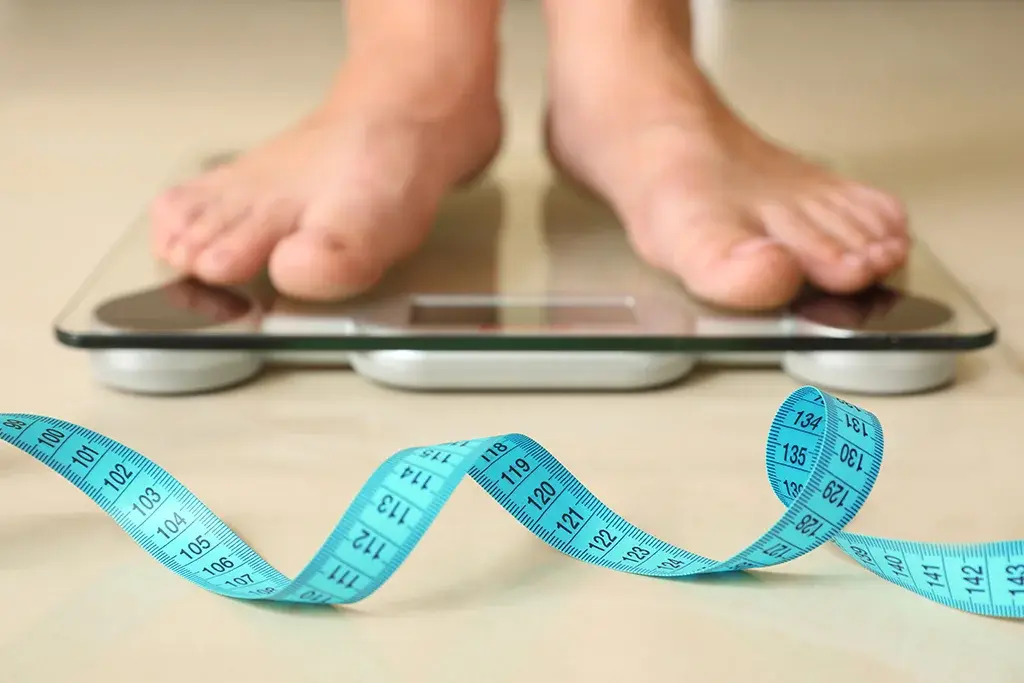
Monitoring progress can help maintain motivation. Some people track their weight weekly, while others focus on changes in clothing fit or body measurements.

Progress photos and fitness improvements can also show how your body is changing.

Remember that weight loss is rarely perfectly steady. Small fluctuations are normal and should not discourage you.

Consistency over time is more important than short term results.

Develop a Positive Mindset

Your mindset plays a major role in long term success. Instead of focusing only on appearance, consider the health benefits of maintaining a healthy weight.

Improved energy levels, better sleep, stronger muscles, and reduced risk of chronic disease are all benefits of a healthy lifestyle.

Self acceptance and patience are important during the process. Healthy changes take time, but the results are more sustainable.

Maintain Your Results

Once you reach your desired weight, maintaining healthy habits becomes essential. Continuing to eat balanced meals, stay active, and prioritize sleep helps prevent weight regain.

Lifestyle changes rather than temporary diets are the key to long term weight management.

People who maintain consistent habits are more likely to keep their results for years.

Frequently Asked Questions

How long does it take to get skinny?

The timeline varies for each person. Healthy weight loss usually occurs at a rate of one to two pounds per week when consistent lifestyle changes are followed.

Can you lose weight without exercise?

Weight loss is possible through diet changes alone, but combining healthy eating with exercise improves overall health and body composition.

Does drinking water help with weight loss?

Drinking water may help control appetite and reduce calorie intake when it replaces sugary beverages.

What foods help you lose weight?

Whole foods such as fruits, vegetables, lean proteins, and whole grains support healthy weight management.

Is it safe to lose weight quickly?

Rapid weight loss can be unhealthy and difficult to maintain. Gradual weight loss is generally safer and more sustainable.