How to Remove Pimples Overnight: Fast and Effective Ways to Reduce Acne

If you are searching for how to remove pimples overnight, the goal is to reduce swelling, redness, and bacteria as quickly as possible. While it may not always be possible to completely eliminate a pimple in one night, the right treatments can significantly shrink it and make it less visible by morning.

Quick results come from using targeted skincare methods such as gentle cleansing, applying acne treatments, reducing inflammation, and avoiding habits that worsen breakouts. Acting early when a pimple first appears gives the best results.

This guide explains simple and effective ways to reduce pimples overnight and prevent future breakouts.

Why Pimples Appear Suddenly

Pimples form when pores become clogged with oil, dead skin cells, and bacteria. Hormonal changes, stress, poor skincare habits, and diet can all contribute to breakouts.

When bacteria grow inside clogged pores, the body responds with inflammation. This leads to redness, swelling, and the visible pimple.

Understanding the cause helps you treat pimples more effectively.

Cleanse Your Face Properly

The first step is to gently cleanse your face to remove dirt, oil, and impurities. Use a mild cleanser that does not strip the skin of its natural oils.

Avoid scrubbing too hard because it can irritate the skin and make the pimple worse. Use lukewarm water and pat your skin dry with a clean towel.

Keeping the skin clean helps reduce bacteria and supports healing.

Apply a Spot Treatment

Using a targeted spot treatment can help reduce pimples quickly. Ingredients such as benzoyl peroxide or salicylic acid are commonly used to fight acne.

These ingredients help kill bacteria, reduce oil, and unclog pores. Apply a small amount directly to the pimple before going to bed.

Overusing strong treatments may cause dryness, so use them carefully.

Use Ice to Reduce Swelling

Applying ice to the affected area can help reduce redness and swelling. Wrap ice in a clean cloth and apply it gently to the pimple for a few minutes.

This method helps calm inflammation and may make the pimple appear smaller.

Do not apply ice directly to the skin without protection, as it may cause irritation.

Try Natural Remedies

Some natural remedies may help soothe the skin and reduce pimples overnight.

Tea tree oil has antibacterial properties that may help reduce acne causing bacteria. Apply a small diluted amount to the pimple.

Aloe vera can help calm irritation and support healing. Applying a thin layer may reduce redness and swelling.

Honey has natural soothing properties and may help keep the skin moisturized while reducing inflammation.

Always test natural remedies on a small area before full use.

Avoid Touching or Popping Pimples

It can be tempting to squeeze a pimple, but doing so can worsen inflammation and increase the risk of scarring.

Touching your face frequently may also transfer bacteria and oils to the skin.

Leaving the pimple alone allows it to heal naturally and reduces the chance of long term marks.

Use a Clean Pillowcase

Your pillowcase can collect oil, dirt, and bacteria that may worsen acne. Changing your pillowcase regularly helps keep your skin clean.

Sleeping on a clean surface reduces the chance of further irritation and supports overnight healing.

Keep Your Skin Hydrated

Moisturizing is important even if you have acne. Dry skin may produce more oil, which can worsen breakouts.

Use a lightweight, non greasy moisturizer to keep your skin balanced. Hydrated skin heals more effectively.

Avoid heavy products that may clog pores.

Maintain a Healthy Routine

While overnight treatments can reduce pimples quickly, long term results come from consistent skincare habits.

Regular cleansing, balanced diet, proper hydration, and stress management all contribute to clearer skin.

Building a simple routine helps prevent future breakouts.

What to Expect Overnight

Most pimples will not completely disappear overnight, but they can become less swollen, less red, and less noticeable.

Early treatment improves results. The sooner you apply the right care, the faster the pimple may shrink.

Patience and consistency are important for long term skin improvement.

Frequently Asked Questions

Can pimples really go away overnight

Pimples may not fully disappear overnight, but treatments can reduce their size, redness, and inflammation.

What is the fastest way to shrink a pimple

Using a spot treatment with active ingredients and applying ice can help reduce swelling quickly.

Is it safe to pop a pimple

Popping pimples can cause infection and scarring, so it is generally not recommended.

Do natural remedies work for pimples

Some natural remedies may help reduce inflammation, but results can vary depending on skin type.

How can I prevent pimples from coming back

Maintaining a consistent skincare routine, eating balanced meals, and avoiding pore clogging products can help prevent breakouts.

Page Source References

American Academy of Dermatology. Acne treatment and skin care tips.
https://www.aad.org/public/diseases/acne

National Health Service. Acne treatment and prevention.
https://www.nhs.uk/conditions/acne

What Is Ayurvedic Healing: Understanding the Principles of Traditional Natural Medicine

Many people ask what is Ayurvedic healing because they are interested in natural approaches to health and wellness. Ayurvedic healing is an ancient system of medicine that originated in India thousands of years ago. It focuses on balancing the body, mind, and spirit to maintain overall health and prevent disease.

Ayurveda emphasizes natural treatments such as herbal remedies, dietary changes, lifestyle adjustments, massage therapies, and meditation. Instead of focusing only on symptoms, Ayurvedic healing aims to identify the root cause of health problems and restore balance within the body.

This holistic approach has been practiced for centuries and continues to influence modern wellness practices around the world.

The Origins of Ayurveda

Ayurveda is one of the oldest known systems of natural medicine. The word Ayurveda comes from two Sanskrit words that mean life and knowledge. Together they describe a system focused on understanding life and maintaining health through balance.

This traditional medical system developed in India more than three thousand years ago and was passed down through generations of practitioners. Ancient Ayurvedic texts describe various methods for maintaining health, preventing illness, and treating disease using natural therapies.

Today Ayurveda is recognized as a complementary health practice in many parts of the world.

The Core Philosophy of Ayurvedic Healing

The main principle of Ayurvedic healing is balance. According to Ayurvedic philosophy, the human body contains three main energy types known as doshas. These doshas influence physical characteristics, emotional tendencies, and overall health.

The three doshas are Vata, Pitta, and Kapha. Each person has a unique combination of these energies that shapes their natural constitution.

When these energies remain balanced, the body functions properly. When they become imbalanced, health problems may develop.

Ayurvedic practitioners aim to restore balance through personalized treatments that address diet, lifestyle, and natural therapies.

Understanding the Three Doshas

The concept of doshas is central to Ayurvedic medicine. Each dosha represents a combination of natural elements that influence body functions.

Vata is associated with movement and is linked to air and space elements. It controls breathing, circulation, and nerve activity.

Pitta represents transformation and is associated with fire and water elements. It influences digestion, metabolism, and body temperature.

Kapha represents structure and stability and is connected with earth and water elements. It supports immunity, strength, and body structure.

An imbalance in any of these doshas may lead to specific health concerns according to Ayurvedic theory.

Common Ayurvedic Healing Methods

Ayurvedic healing includes several natural therapies designed to restore balance and support overall wellness.

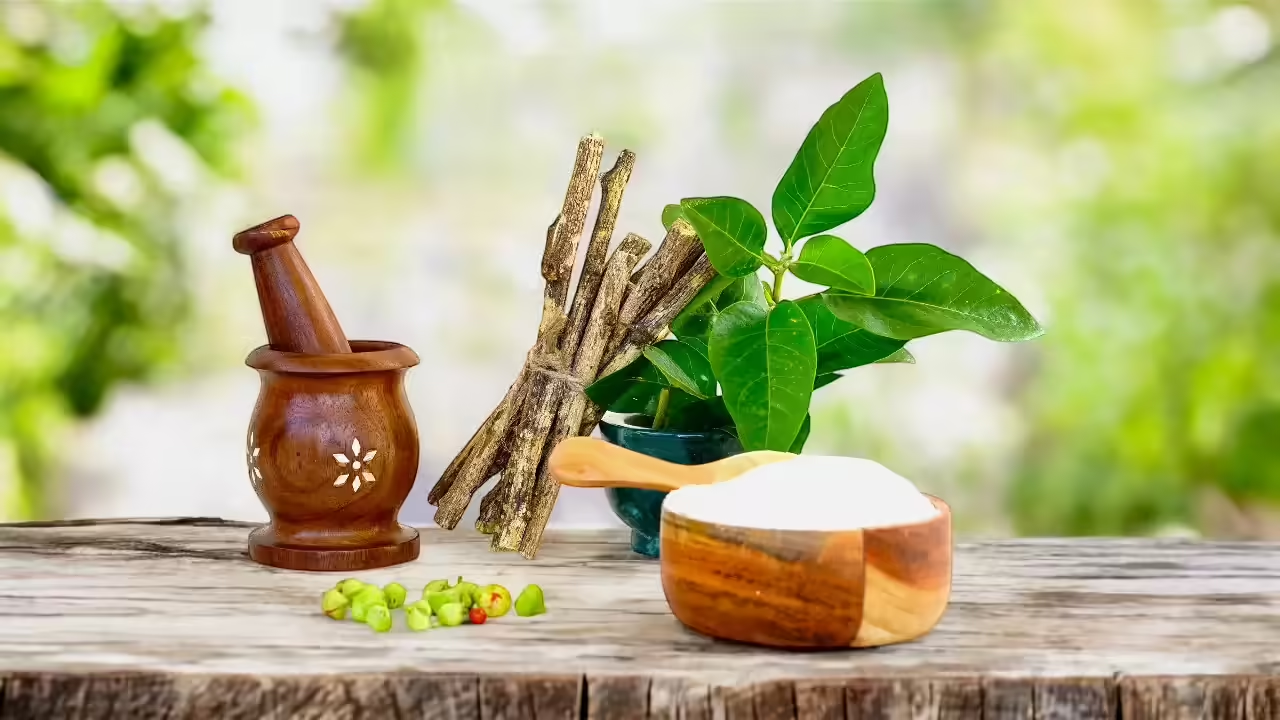
Herbal medicine is widely used in Ayurveda. Natural herbs and plant based preparations are selected based on a person’s constitution and health condition.

Dietary guidance is another important part of Ayurvedic treatment. Foods are chosen to balance the doshas and support digestion.

Massage therapy using herbal oils is often used to promote relaxation, improve circulation, and nourish the skin.

Meditation and breathing techniques are also recommended to calm the mind and reduce stress.

Yoga practices may be included to improve flexibility, strength, and mental balance.

Benefits of Ayurvedic Healing

Many people turn to Ayurvedic healing because it focuses on prevention and long term wellness rather than short term symptom relief.

This approach encourages healthy habits such as mindful eating, stress management, and regular physical activity.

Ayurvedic practices may help support digestion, improve sleep quality, enhance energy levels, and promote mental clarity.

Because the treatments are personalized, they aim to address the unique needs of each individual.

Many people find that Ayurvedic healing encourages a more balanced lifestyle.

Ayurvedic

Ayurveda and Modern Wellness

In recent years, Ayurveda has gained popularity in global wellness communities. Many modern health practices now incorporate elements of Ayurvedic philosophy.

For example, mindfulness meditation, herbal supplements, and yoga practices often reflect traditional Ayurvedic principles.

While Ayurveda is not a replacement for conventional medical treatment, it may complement modern healthcare by promoting healthy lifestyle habits and preventive care.

Consulting qualified practitioners and healthcare providers can help ensure safe and effective use of Ayurvedic therapies.

Lifestyle Practices in Ayurveda

Ayurveda emphasizes daily routines that help maintain balance in the body and mind. These routines are often referred to as healthy lifestyle practices.

Maintaining regular sleep patterns supports physical and mental health. Waking up early and following consistent daily habits are commonly recommended.

Mindful eating is another important aspect. Eating slowly and choosing foods that support digestion can improve overall well being.

Spending time in nature, practicing relaxation techniques, and maintaining emotional balance are also encouraged.

These lifestyle practices support the holistic philosophy of Ayurvedic healing.

Is Ayurvedic Healing Safe

When practiced correctly, many Ayurvedic methods are considered safe and supportive of general wellness. However, some herbal preparations may interact with medications or require professional guidance.

It is important to consult trained practitioners and healthcare professionals before starting herbal treatments or alternative therapies.

Combining traditional knowledge with modern medical advice can help ensure safe and balanced health practices.

Frequently Asked Questions

What is the main goal of Ayurvedic healing

The main goal of Ayurvedic healing is to restore balance between the body, mind, and natural energies to support overall health and prevent disease.

What are the three doshas in Ayurveda

The three doshas are Vata, Pitta, and Kapha. These energies influence physical functions, metabolism, and emotional tendencies.

Is Ayurvedic healing natural

Yes. Ayurvedic healing primarily uses natural methods such as herbs, dietary changes, massage therapies, meditation, and lifestyle adjustments.

Can Ayurveda replace modern medicine

Ayurveda is generally considered a complementary practice. It can support wellness but should not replace professional medical treatment for serious health conditions.

Why is Ayurveda becoming popular

Many people are interested in natural health approaches that focus on prevention, balanced living, and holistic well being.

Page Source References

World Health Organization. Traditional medicine and Ayurveda information.
https://www.who.int

National Center for Complementary and Integrative Health. Ayurvedic medicine overview.
https://www.nccih.nih.gov

Ayurvedic Institute. Principles and philosophy of Ayurveda.
https://www.ayurveda.com