

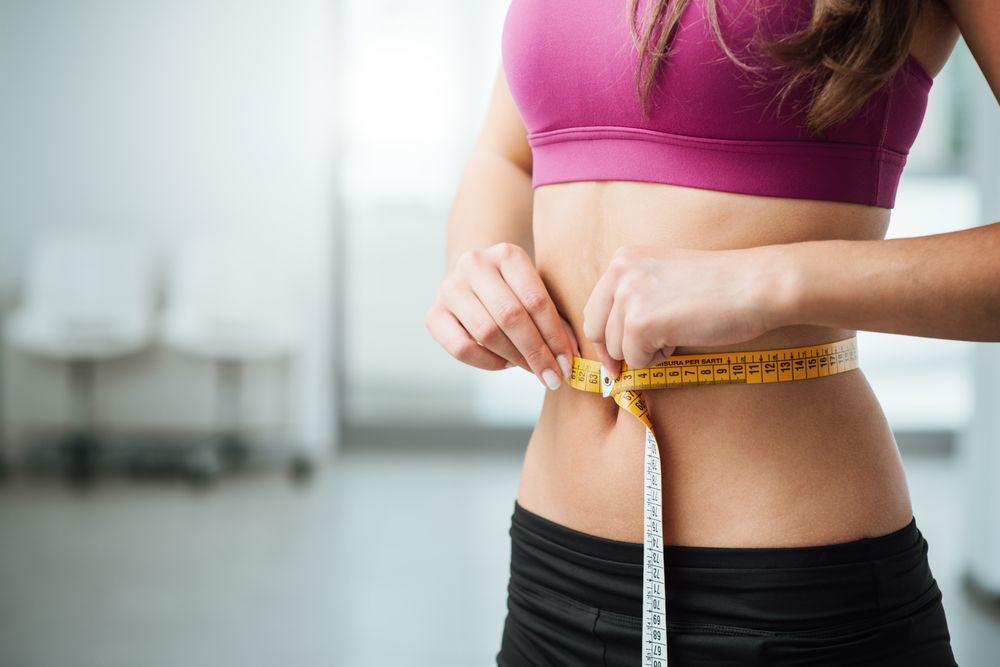
If you want to lose weight fast naturally and permanently, the core formula is simple. Create a consistent calorie deficit, eat whole nutrient dense foods, prioritize protein, strength train weekly, increase daily movement, and build habits you can maintain long term. Fast results are possible, but permanent results require sustainability.
Healthy weight loss is not about detox drinks, starvation, or extreme diets. It is about improving metabolism, controlling appetite, and creating a realistic lifestyle you can maintain beyond a few weeks.
Health authorities such as the Centers for Disease Control and Prevention state that steady fat loss of 1 to 2 pounds per week is most sustainable. Individuals with higher starting body weight may see faster early results due to water loss and glycogen reduction.
This guide explains how to lose weight quickly while making sure it stays off.
What Does Losing Weight Naturally Mean?
Losing weight naturally means no extreme restriction, no unsafe supplements, and no surgical shortcuts. It focuses on:
Balanced calorie control
Whole foods
Muscle preservation
Hormonal balance
Long term behavior change
Permanent fat loss happens when habits change, not when short term diets are followed.

Step 1: Create a Realistic Calorie Deficit
Weight loss happens when you consistently burn more calories than you consume. One pound of fat equals roughly 3,500 calories. To lose weight quickly, most people need a daily deficit of 500 to 1,000 calories depending on body size.
Start by calculating your maintenance calories. Then reduce intake moderately while increasing activity. Avoid extreme restriction because it can slow metabolism and increase hunger hormones.
Consistency over 30 to 90 days matters more than perfection for one week.
Step 2: Increase Protein Intake
Protein is the most important macronutrient for natural fat loss. It preserves muscle, reduces hunger, and slightly increases calorie burn through digestion.
Aim for 0.7 to 1 gram of protein per pound of body weight daily. Include protein in every meal to stabilize appetite and prevent cravings.
Lean protein sources include chicken breast, turkey, eggs, fish, Greek yogurt, lean beef, tofu, and cottage cheese.
When protein intake is adequate, people naturally eat fewer calories without feeling deprived.
Step 3: Focus on Whole, Unprocessed Foods
Whole foods are naturally lower in calories and higher in nutrients. They improve fullness and reduce blood sugar spikes.
Build meals around vegetables, fruits, lean proteins, healthy fats, and moderate portions of complex carbohydrates such as oats, potatoes, or rice.
Eliminate sugary beverages, highly processed snacks, and frequent fast food meals. Liquid calories often go unnoticed and slow progress.
A simple structure works well. Half vegetables, one quarter protein, one quarter carbohydrates.
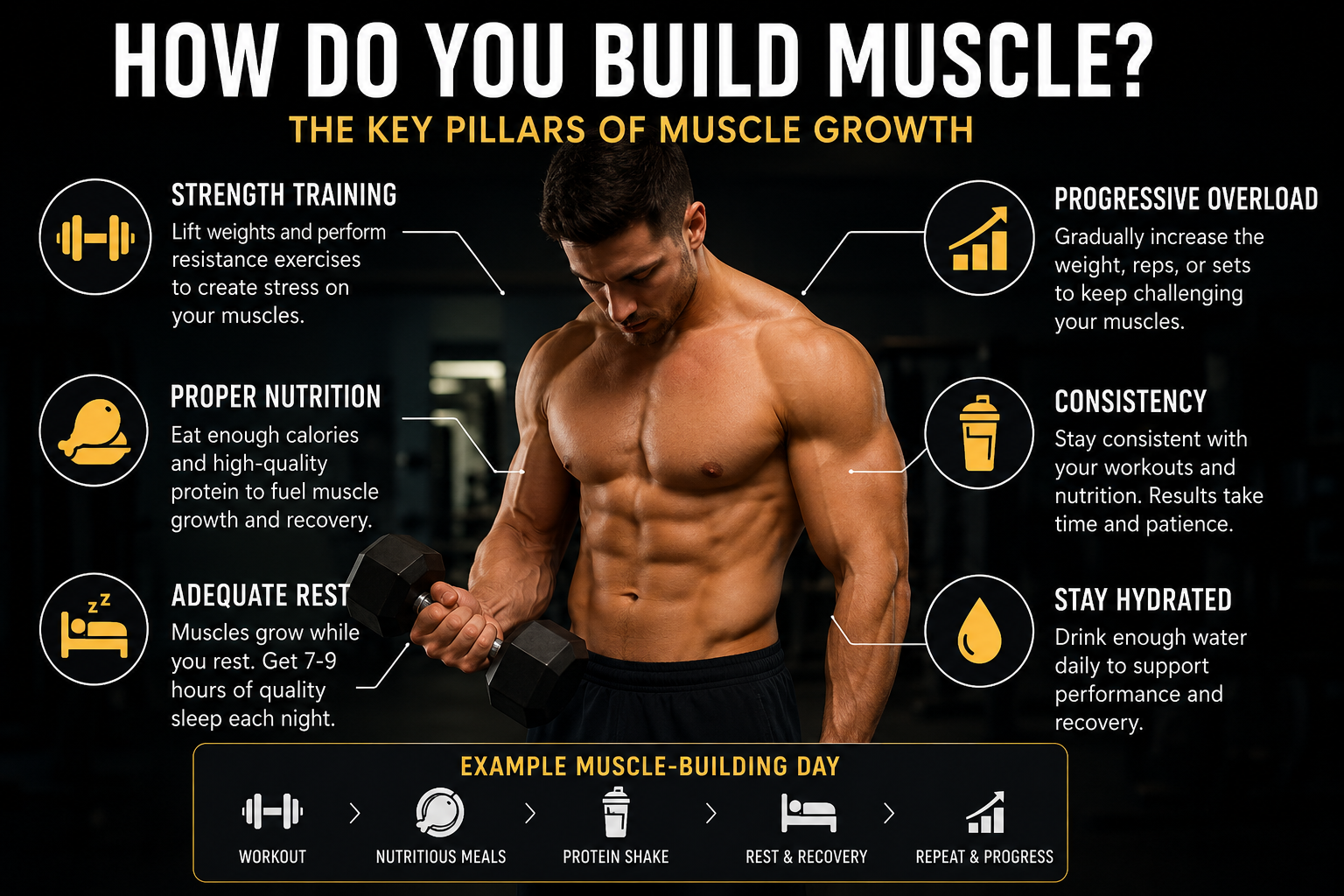
Step 4: Strength Train to Preserve Muscle
Many people try to lose weight through cardio alone. That often leads to muscle loss and a slower metabolism.
Strength training three to five times per week preserves lean mass and shapes the body during fat loss. Compound movements such as squats, lunges, presses, rows, and hip hinges provide maximum benefit.
Muscle tissue increases resting calorie burn, which supports permanent results.
Step 5: Increase Daily Movement
Daily movement outside structured workouts significantly impacts fat loss. Walking, standing, and general activity raise total daily energy expenditure.
Aim for 8,000 to 12,000 steps per day. Walking after meals can improve digestion and blood sugar control.
People who stay active throughout the day maintain weight loss more effectively than those who rely only on gym sessions.
Step 6: Improve Sleep and Manage Stress
Sleep directly affects fat loss. Poor sleep increases hunger hormones and cravings for high calorie foods.
Aim for seven to nine hours of quality sleep per night. Maintain a consistent sleep schedule and reduce screen time before bed.
Chronic stress raises cortisol levels, which can increase appetite and water retention. Incorporate stress management strategies such as breathing exercises, light walking, or quiet time daily.
How to Lose Weight Fast in the First 30 Days
The first month is critical for building momentum.
Reduce processed foods immediately
Track food intake for awareness
Lift weights consistently
Walk daily
Prioritize protein
Stay hydrated
You may notice rapid weight loss in the first week due to reduced sodium and carbohydrate intake. After that, fat loss becomes steadier and more gradual.
How to Make Weight Loss Permanent
Most people regain weight because they return to old habits. Permanent results require lifestyle integration.
Avoid extreme restrictions that cannot be maintained
Keep strength training even after reaching your goal
Maintain moderate calorie awareness
Continue daily movement
Focus on consistency rather than short bursts of effort
Long term studies show that people who maintain weight loss consistently monitor their weight, stay physically active, and maintain structured eating patterns.
Common Mistakes That Prevent Permanent Weight Loss
Severely cutting calories
Skipping protein
Overdoing cardio without strength training
Not sleeping enough
Weekend overeating
Relying on short term detox methods
Fat loss should improve your health, not harm it.
Sample Simple Day of Eating for Fat Loss
Breakfast could include eggs and vegetables or Greek yogurt with berries. Lunch may consist of grilled chicken, mixed vegetables, and rice. Dinner could include salmon, roasted vegetables, and potatoes.
Snacks should focus on protein or fruit rather than processed options.
Water intake should remain consistent throughout the day.
Frequently Asked Questions
How fast can I lose weight naturally?
Most people can safely lose 1 to 2 pounds per week. Individuals with higher body fat may initially lose more.
Can I lose weight without exercise?
Yes, through calorie control alone, but combining diet with strength training improves body composition and long term success.
Is cardio necessary for weight loss?
Cardio helps increase calorie burn, but resistance training is equally important for preserving muscle and metabolism.
How do I stop regaining weight?
Maintain moderate calorie awareness, continue strength training, stay active daily, and avoid extreme dieting cycles.
Do natural methods really work long term?
Yes. Sustainable calorie control, muscle preservation, and consistent activity create permanent fat loss results.




Leave a Reply